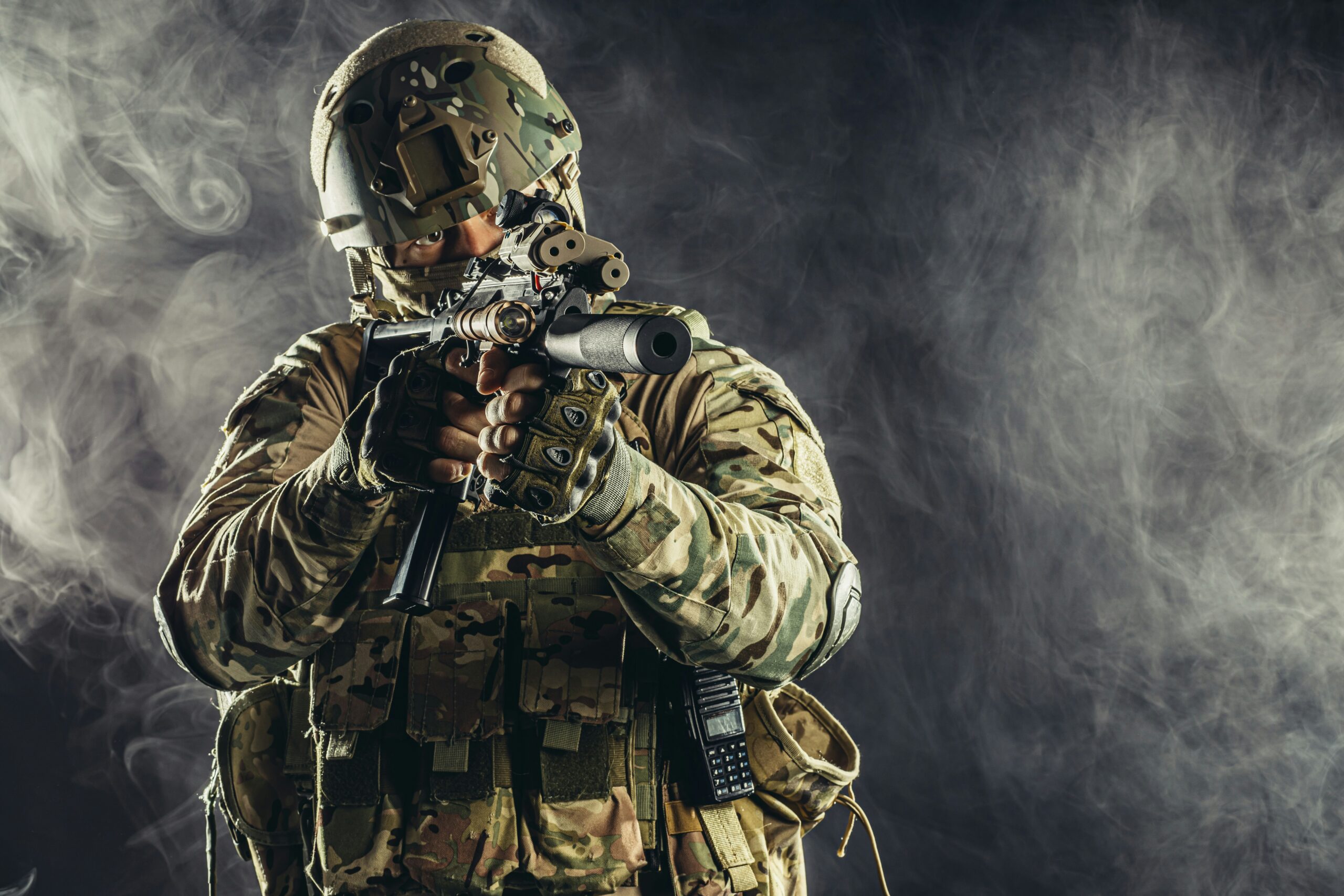
In the complex world of modern warfare, combat engineers stand as a vital force behind the scenes, shaping the battlefield in ways few outsiders fully appreciate. Their presence ensures mobility, enhances protection, and enables offensive operations for ground forces. Whether it’s constructing bridges under fire, clearing explosive hazards, or fortifying defensive positions, combat engineers bridge the literal and strategic gaps in military operations.
The evolving nature of combat requires agile, innovative, and technically skilled personnel who can adapt to a range of environments and threats. Combat engineers meet that challenge daily, supporting operations with a versatile toolkit of engineering skills and tactical knowledge.
Defining the Combat Engineer
A combat engineer, often referred to as a “sapper” in many military forces, is a soldier trained in engineering and construction tasks that directly support combat missions. These soldiers operate on the front lines and within combat zones, making their roles both physically demanding and strategically critical.
Unlike civilian engineers, combat engineers work under extreme conditions. They don’t just build, they build while under threat. They demolish obstacles, lay or clear mines, erect fortifications, and even assist with search-and-rescue missions during and after conflicts. Their ability to perform a wide variety of functions makes them indispensable to mission success.
Enhancing Mobility on the Battlefield
Mobility is one of the core principles of warfare, and combat engineers make it possible. In hostile environments, advancing troops often face natural and artificial obstacles such as rivers, ravines, minefields, or barricades. Combat engineers are responsible for clearing paths, constructing temporary bridges, and paving roads, all while maintaining the safety and speed of troop movements.
The construction of military bridges, like the Bailey bridge or the modern ribbon float bridge, allows armored vehicles and infantry to cross otherwise impassable terrain. These efforts can turn the tide of battle by enabling flanking maneuvers or rapid reinforcements. In urban settings, engineers remove roadblocks and booby traps, maintaining the tempo of operations in tight, chaotic environments.
Countermobility and Area Denial
While engineers enable friendly forces to move forward, they also specialize in countermobility operations, which aim to disrupt or block enemy movement. These operations include constructing obstacles, emplacing landmines, digging anti-tank ditches, and demolishing roads or bridges to limit access.
Countermobility helps shape the battlefield in favor of friendly forces. By channeling enemy units into kill zones or slowing their advance, engineers buy critical time for defense and counterattacks. These methods are often integrated into larger tactical plans and require precise timing and coordination with infantry and armored units.
Survivability and Force Protection
Combat engineers also play a key role in force protection. In a combat zone, survivability can depend on well-constructed fortifications, trenches, bunkers, and protective barriers. Engineers design and build these defensive structures to shield soldiers from artillery, gunfire, and aerial attacks.
Beyond physical protection, engineers contribute to defensive planning. They assess terrain, choose optimal locations for outposts or forward operating bases, and construct blast walls and perimeter defenses. These protective measures enable troops to maintain operational capability while reducing exposure to hostile fire.
Demolition and Breaching Operations
When combat operations require destruction rather than construction, engineers step in with their demolition expertise. Whether it’s blasting through walls, destroying enemy structures, or safely dismantling unexploded ordnance, combat engineers are trained to use explosives with surgical precision.
One of their most hazardous tasks involves breaching operations. When attacking fortified enemy positions, engineers must clear mines, cut through wire obstacles, and create safe lanes for troops all under direct enemy fire. These missions require immense courage, technical skill, and rapid decision-making. Their success is often the difference between a stalled advance and a breakthrough.
Supporting Humanitarian and Peacekeeping Missions
Though known for their combat role, engineers also support humanitarian missions and peacekeeping operations. After conflicts, they assist in rebuilding infrastructure, clearing mines, and restoring basic services. Their expertise contributes to stabilization efforts, enhances civilian safety, and enables reconstruction.
In disaster relief scenarios, combat engineers deploy alongside medical and logistics teams to build shelters, repair roads, and restore access to essential services. Their versatility and readiness make them valuable in both war and peace, reinforcing the idea that military engineering is about more than destruction; it’s about resilience and restoration.
Integration with Modern Technology
The modern battlefield is driven by technology, and military engineering has embraced the digital age. Today’s combat engineers use advanced tools like drones, ground-penetrating radar, and robotic systems to perform their duties more efficiently and safely.
Drones assist in aerial reconnaissance, helping engineers survey terrain and plan routes or construction projects. Ground-penetrating radar is used to detect underground threats, such as buried explosives or tunnels. Robotic systems now handle dangerous tasks such as bomb disposal or remote breaching, minimizing human risk while maintaining operational effectiveness.
Emerging technologies, including autonomous construction vehicles and 3D printing, are also being adopted by military engineering units. These innovations promise faster construction, reduced logistical burdens, and more adaptive responses to the fluid needs of combat environments.
Training and Readiness
The demands placed on combat engineers require intense training and mental resilience. Their education covers not only engineering principles but also small-unit tactics, explosives handling, and survival skills. They must work seamlessly with infantry and armored units, requiring deep familiarity with joint operations.
Training focuses on flexibility, as engineers may shift from building a bridge one day to clearing a minefield the next. Regular field exercises simulate real-world combat scenarios, reinforcing skills and building unit cohesion. Mental toughness is just as critical as technical proficiency, as engineers often operate under high stress with limited resources.
Building the Backbone of Success
The role of combat engineers extends beyond the front lines; they shape the battlefield before the first shot is fired and rebuild it after the last one is spent. Their work often goes unrecognized, yet it is fundamental to every successful military operation. Without engineers, troops would stall at rivers, fall prey to enemy mines, or lack adequate protection in hostile environments.
From constructing crucial infrastructure to clearing the path for victory, combat engineers bridge the gap between obstacles and opportunity. Their contributions form the backbone of strategic success and reflect the adaptability, precision, and bravery that define modern military operations.
As warfare evolves, the role of combat engineers will only grow in complexity and importance. They are not just builders or demolition experts; they are combat multipliers who ensure that armed forces can move, fight, and survive in the most challenging conditions. With their unique blend of tactical acumen and engineering expertise, combat engineers remain indispensable in bridging the gap between vision and victory.