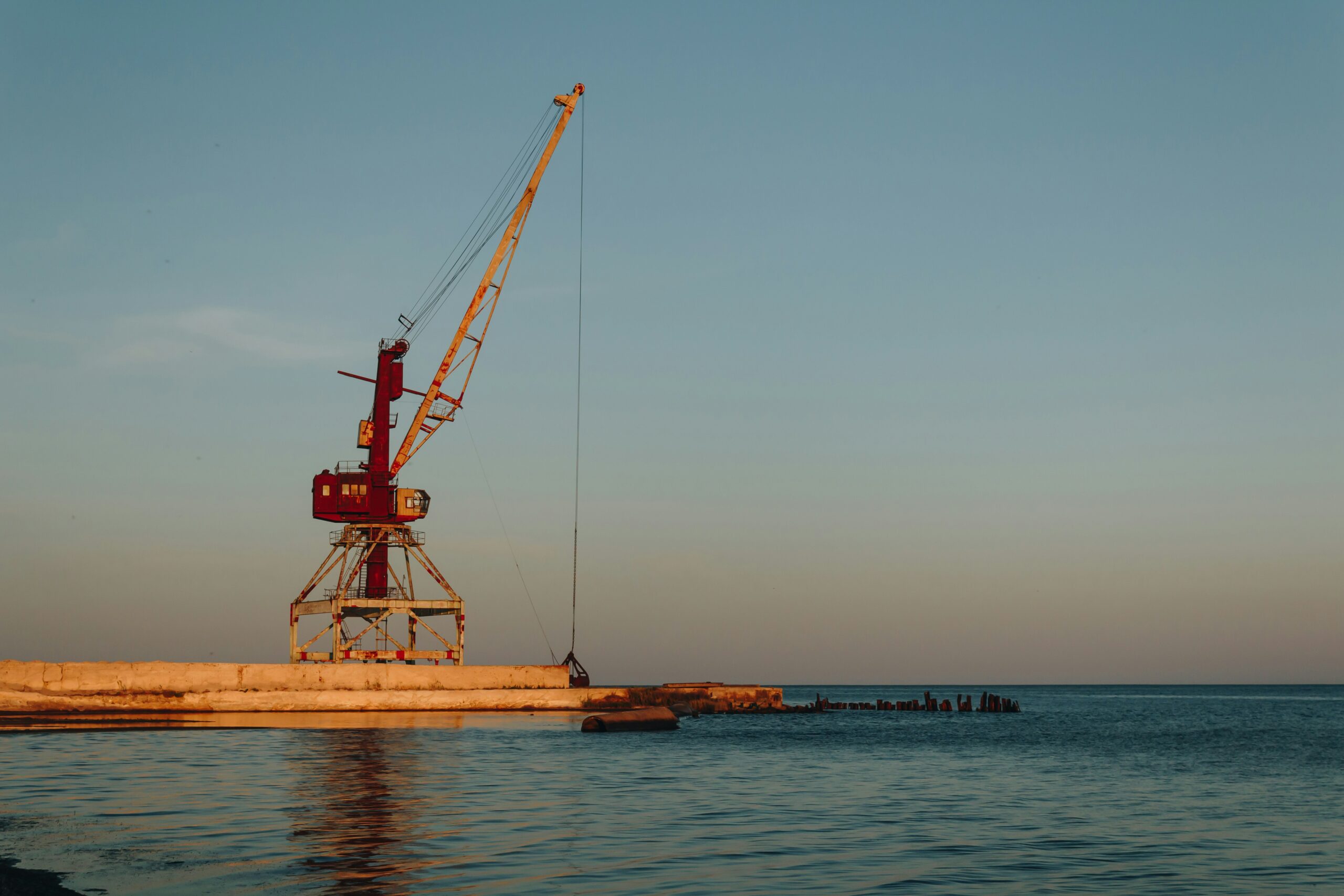
Building on water has shaped human civilization for centuries, from ancient ports to modern offshore megaprojects. Today, marine construction plays a critical role in global trade, energy production, coastal protection, and urban expansion. Projects such as bridges, ports, offshore platforms, and floating structures require advanced engineering solutions that can withstand harsh marine environments while meeting safety, economic, and environmental standards.
Unlike land-based construction, working on or near water introduces unpredictable variables such as waves, tides, corrosion, and limited accessibility. These factors demand specialized materials, equipment, and planning strategies. As coastal development increases and offshore industries expand, innovation in marine construction has become essential to building resilient, sustainable infrastructure.
Environmental and Weather-Related Challenges
Weather conditions, including storms, strong currents, and fluctuating tides, heavily influence marine construction projects. These natural forces can delay schedules, increase costs, and pose safety risks to workers and equipment. Even minor changes in water conditions can significantly affect construction accuracy and stability.
Environmental protection is another major challenge. Construction activities can disrupt marine ecosystems, damage coral reefs, and increase water pollution if not carefully managed. Regulatory requirements often mandate strict environmental assessments and mitigation measures, which add complexity but are necessary to preserve aquatic habitats.
Foundation Engineering in Aquatic Environments
Creating stable foundations underwater is one of the most complex aspects of marine construction. Engineers must design structures that can resist erosion, shifting seabeds, and continuous wave action. Common foundation types include piles, caissons, and gravity-based structures, each selected based on soil conditions and water depth.
Installation methods require specialized vessels and precision equipment. Divers, remotely operated vehicles, and sonar systems are frequently used to inspect seabed conditions and ensure accurate placement. Any error in foundation work can compromise the entire structure, making this stage critical to long-term performance.
Material Durability and Corrosion Resistance
Saltwater is highly corrosive, posing a constant threat to steel and reinforced concrete structures. Marine construction materials must be selected and treated to withstand prolonged exposure to moisture, salt, and biological growth. Without proper protection, corrosion can weaken structural components and shorten service life.
Innovations such as advanced coatings, corrosion-resistant alloys, and high-performance concrete have significantly improved durability. Engineers also design structures with maintenance access in mind, enabling regular inspections and repairs that extend the operational lifespan and reduce long-term costs.
Advanced Equipment and Construction Techniques
Marine construction relies on specialized equipment such as floating cranes, barges, and jack-up platforms. These tools enable heavy lifting and precise positioning in environments where traditional machinery cannot operate. Their use requires skilled operators and careful coordination to ensure safety and efficiency.
Modern techniques like modular construction and prefabrication have transformed project execution. By assembling components onshore and installing them offshore, builders can reduce weather-related delays and improve quality control. This approach also minimizes on-site labor and environmental disturbance.
Digital Technology and Smart Engineering
Digital tools are reshaping how marine construction projects are planned and managed. Building information modeling allows engineers to visualize complex structures, simulate environmental conditions, and identify potential issues before construction begins. This reduces errors and enhances collaboration across teams.
Real-time monitoring systems, including sensors and drones, provide continuous data on structural performance and environmental conditions. These technologies improve decision-making during construction and support predictive maintenance after project completion, increasing safety and reliability.
Sustainability and Future Innovations
Sustainability is becoming a central focus in marine construction as climate change and sea-level rise threaten coastal infrastructure. Engineers are developing designs that adapt to changing water levels and reduce carbon footprints. Floating structures and nature-based solutions, such as artificial reefs, are gaining attention for their resilience and ecological benefits.
Future innovations are expected to include greater use of renewable energy, automation, and environmentally friendly materials. As technology advances, marine construction will continue to evolve, enabling safer, more efficient, and more sustainable development on water.
Building on water remains one of the most demanding fields in construction, requiring a balance of engineering expertise, environmental responsibility, and technological innovation. By addressing challenges through advanced design and smart solutions, marine construction continues to support global growth while adapting to an ever-changing natural environment.