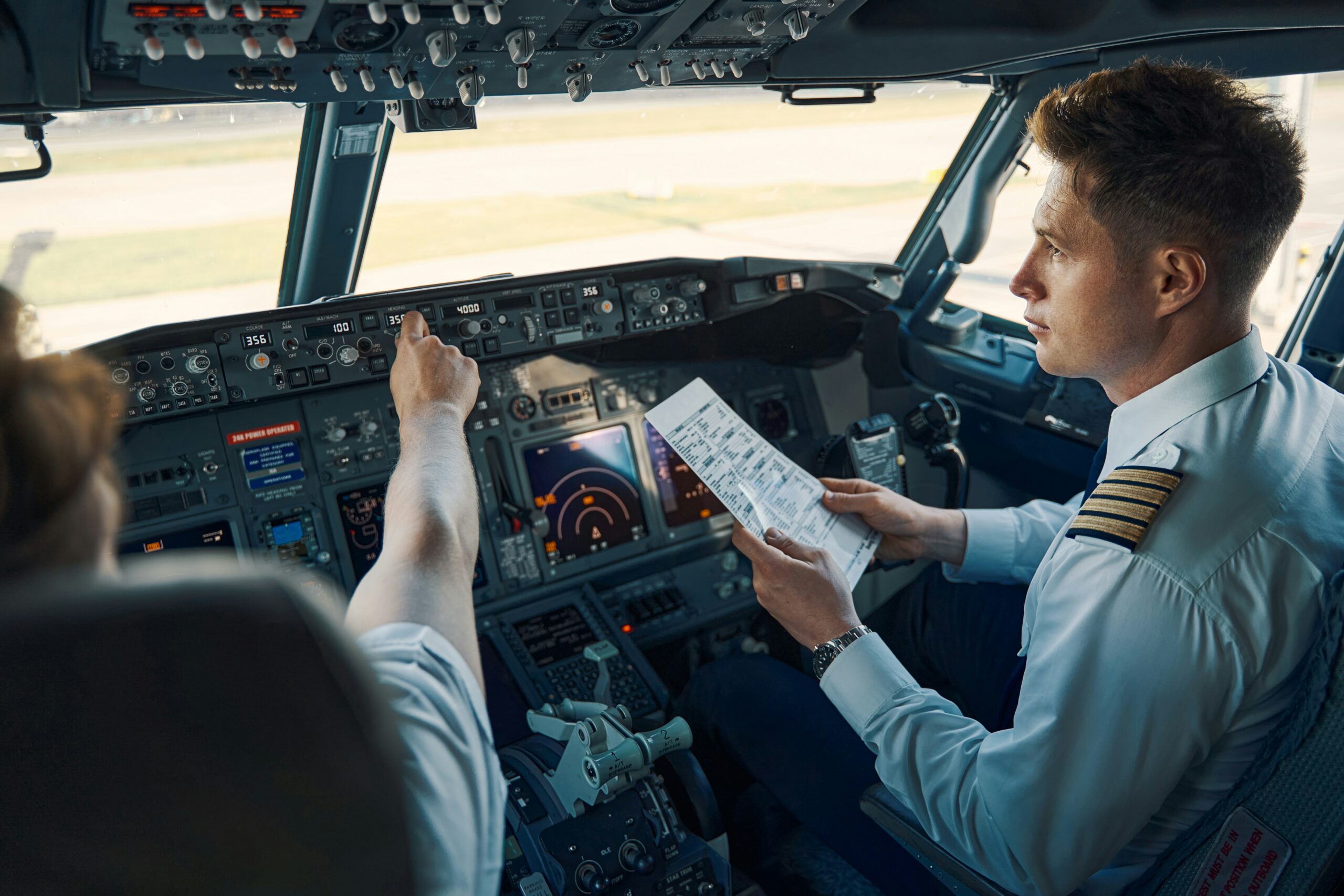
Becoming a pilot is a dream shared by many who look up at the sky and imagine themselves soaring above the clouds. The journey to becoming a pilot combines rigorous training, technical knowledge, and personal dedication. Whether your goal is to fly commercially, privately, or in the military, understanding the path to take to the air is essential. This guide explores the steps, challenges, and rewards of pursuing an aviation career, offering practical advice for aspiring pilots.
Understanding the Role of a Pilot
The first step to becoming a pilot is understanding the job’s responsibilities and expectations. Pilots are not only skilled navigators but also decision-makers who ensure the safety of passengers, crew, and cargo. Daily tasks include pre-flight checks, monitoring weather conditions, communicating with air traffic control, and managing aircraft systems. By grasping the scope of these duties, aspiring pilots can better prepare for the demands of aviation.
A pilot’s role also extends beyond technical skills. Strong leadership, communication, and problem-solving abilities are crucial when navigating unexpected situations in the air. The ability to stay calm under pressure and make quick, informed decisions can define a successful pilot. Understanding these expectations early in the journey makes the goal of flight more tangible and achievable.
Choosing the Right Flight School
Selecting the right flight school is a pivotal decision for anyone who wants to become a pilot. Flight schools provide both theoretical instruction and hands-on experience, forming the foundation of a pilot’s career. When choosing a school, consider factors such as accreditation, instructor experience, fleet size, and graduates’ success rates. The right school ensures high-quality training and a supportive learning environment.
Additionally, location and costs can influence your decision. Some aspiring pilots may prefer schools near major airports for exposure to real-world aviation traffic, while others may focus on budget-friendly programs. Visiting schools, speaking to instructors, and reviewing alum experiences will help make an informed choice. Proper flight school selection increases the chances of a smooth, efficient journey toward becoming a pilot.
Meeting Certification Requirements
Becoming a pilot requires meeting specific certification and licensing requirements set by aviation authorities. In the United States, the Federal Aviation Administration (FAA) oversees pilot certification. Aspiring pilots must start with a student pilot certificate, progress through private pilot training, and eventually achieve a commercial pilot license if they aim to fly professionally. Each certification involves written exams, flight hours, and practical testing.
Medical fitness is equally important. Pilots must pass medical exams to ensure they meet the physical and mental health standards required for safe flight. Regular assessments maintain aviation safety and confirm that pilots are physically capable of meeting the demands of flight. Understanding and completing these requirements is essential to successfully taking flight and advancing in an aviation career.
Building Flight Experience
Flight hours are a critical part of learning to become a pilot. New pilots start with solo flights, gradually moving to more complex missions and long-distance navigation. Each flight contributes to skill development, confidence, and preparedness for real-world scenarios. Accurately and consistently logging hours is essential for meeting certification milestones and demonstrating proficiency.
Mentorship and networking can enhance experience beyond the cockpit. Experienced pilots can offer insights, guidance, and practical tips that textbooks cannot provide. Participating in aviation clubs, attending seminars, and connecting with fellow pilots helps aspiring aviators build both technical skills and professional relationships. Combining experience with mentorship accelerates the journey to becoming a pilot.
Exploring Career Paths in Aviation
Once certified, pilots have multiple career options. Commercial airlines, private charters, cargo transport, flight instruction, and military aviation are all viable paths. Each career path demands unique skills, schedules, and experiences, allowing pilots to match their personal interests and strengths with professional opportunities. Evaluating career goals early helps streamline training and future specialization.
Career growth in aviation often depends on continuous learning and additional certifications. Pilots may pursue instrument ratings, multi-engine qualifications, or type ratings for specific aircraft. Staying current with technology, regulations, and industry trends ensures long-term success. Choosing the right career path enables pilots to soar through the skies while building a rewarding, sustainable career.
Overcoming Challenges in Pilot Training
Pilot training can be physically, mentally, and financially challenging. Flight school costs, long training hours, and the pressure of mastering complex systems test determination and resilience. Managing stress, maintaining focus, and adopting effective study habits are crucial for successfully navigating these challenges.
Support systems, such as family, mentors, and peers, play a vital role in sustaining motivation. Embracing challenges as opportunities to grow helps aspiring pilots develop perseverance and confidence. Overcoming obstacles is part of the journey to take flight and eventually excel in aviation.
Maintaining Safety and Professionalism
Safety is the cornerstone of every pilot’s career. Regular checklists, adherence to protocols, and continuous training ensure the highest standards in aviation. Professionalism, both in and out of the cockpit, builds trust with passengers, crew, and employers. Pilots must embody responsibility, precision, and ethical judgment at all times.
Continuing education, recurrent training, and staying up to date with aviation regulations enhance a pilot’s capabilities. Pilots who prioritize safety and professionalism not only protect lives but also advance their careers. Commitment to these principles ensures that taking flight remains a fulfilling and sustainable experience.