The Future of Eyewear is evolving rapidly as advanced technology and innovative design reshape how people protect and enhance their vision. Eyewear is no longer limited to correcting nearsightedness or farsightedness. Today’s solutions integrate digital features, health monitoring systems, and smart connectivity that seamlessly fit into modern lifestyles. As a result, eye care has become more personalized, data-driven, and technologically advanced than ever before.
In addition, growing awareness about eye health and digital strain has pushed manufacturers and healthcare providers to rethink traditional solutions. Consumers now expect eyewear that delivers comfort, durability, style, and smart functionality all at once. Because of these shifting expectations, The Future of Eyewear represents a powerful intersection of medical science, fashion, sustainability, and digital innovation.
Smart Glasses and Connected Vision Technology
Smart glasses are at the forefront of The Future of Eyewear, blending vision correction with augmented reality and wireless connectivity. These innovative devices can display notifications, navigation directions, and real-time information directly within the user’s field of view. Unlike early bulky prototypes, modern smart glasses are becoming sleeker, lighter, and more energy-efficient. This evolution allows users to enjoy advanced features without sacrificing comfort or aesthetics.
Beyond convenience, smart glasses are transforming professional industries. Surgeons can access patient data hands-free during procedures, warehouse workers receive live instructions while handling inventory, and field technicians view remote guidance while repairing equipment. For everyday consumers, features like voice assistants, fitness tracking, and music streaming enhance daily life. As connectivity improves, smart eyewear continues to merge digital interaction with natural vision seamlessly.
Blue Light Protection and Digital Eye Strain Solutions
As screen time increases worldwide, digital eye strain has become a common concern. The Future of Eyewear addresses this issue through advanced blue light filtering technology. Modern lenses are designed to selectively block harmful high-energy visible (HEV) blue light emitted from smartphones, tablets, and computers. By reducing exposure, these lenses help minimize headaches, blurred vision, and sleep disruption caused by prolonged screen use.
Additionally, innovative coatings and lens materials enhance overall visual comfort. Anti-reflective coatings reduce glare from screens and overhead lighting, while photochromic lenses automatically adapt to changing light conditions. This adaptability allows users to transition smoothly between indoor digital workspaces and outdoor environments. Consequently, eyewear now plays a vital role in supporting healthier digital habits and long-term eye protection.
Personalized Lenses and AI-Driven Prescriptions
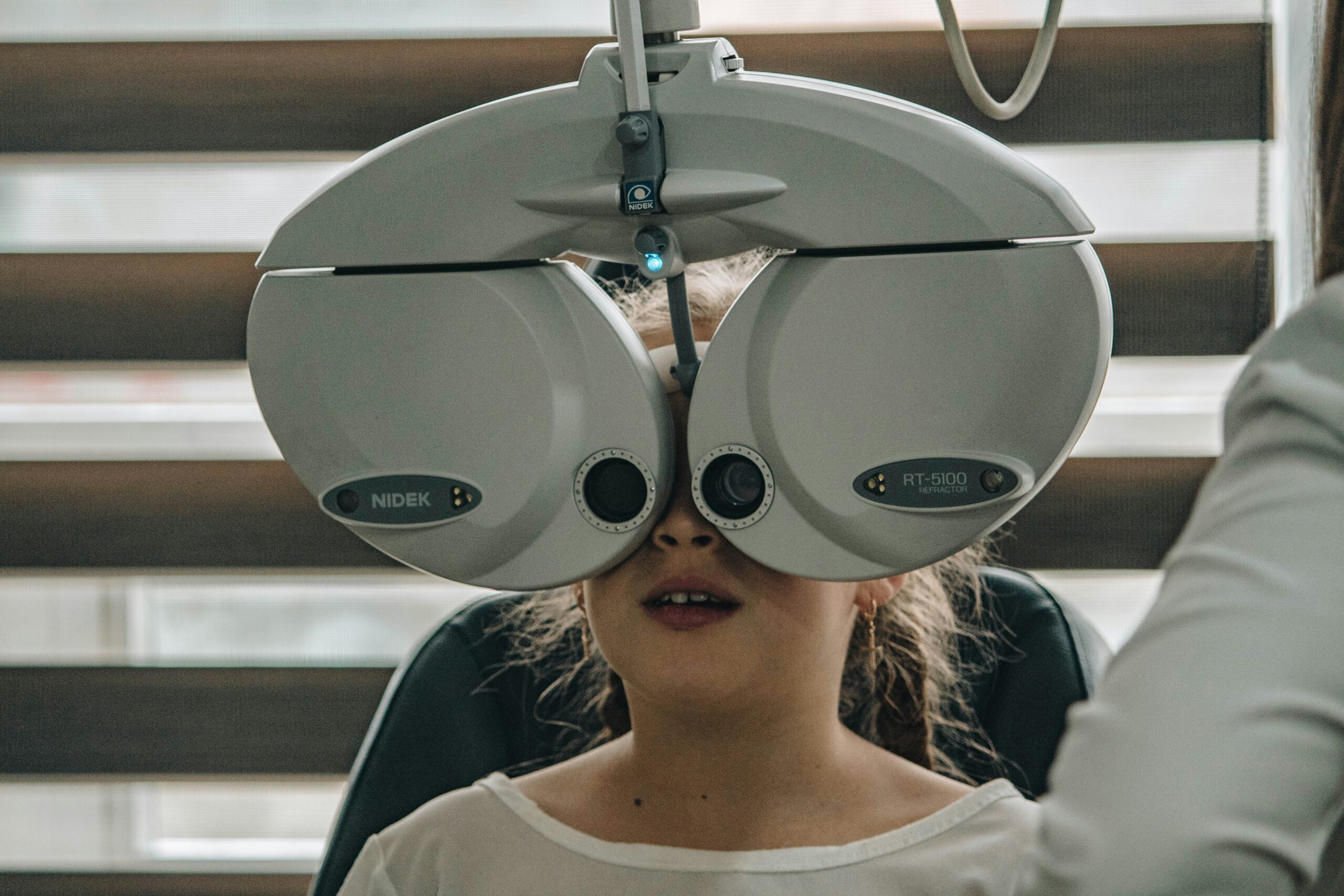
Personalization is redefining The Future of Eyewear through AI-powered diagnostics and precision lens manufacturing. Modern eye exams use digital mapping systems that analyze the eye’s structure, pupil behavior, and focusing patterns. Artificial intelligence processes this data to generate highly accurate prescriptions tailored to an individual’s unique vision profile. This results in sharper clarity, improved comfort, and reduced distortion compared to traditional lenses.
Moreover, AI-driven technology supports early disease detection. Advanced diagnostic tools can detect subtle changes associated with conditions such as glaucoma, diabetic retinopathy, and macular degeneration. Early identification allows patients to begin treatment sooner, improving long-term outcomes. As machine learning systems continue to evolve, personalized eye care will become even more predictive, preventative, and precise.
Sustainable Materials and Eco-Friendly Designs
Environmental responsibility is becoming central to The Future of Eyewear. Many manufacturers now incorporate recycled plastics, ocean-recovered materials, and plant-based acetate into frame production. These sustainable alternatives reduce reliance on fossil fuels and decrease environmental waste. At the same time, eco-friendly packaging and carbon-conscious manufacturing processes reflect a broader commitment to sustainability.
Durability also contributes to sustainability efforts. High-quality craftsmanship extends the lifespan of frames and lenses, reducing the need for frequent replacements. Some brands offer repair services, lens replacement programs, and recycling initiatives to minimize waste further. Through these combined efforts, the eyewear industry is aligning innovation with environmental stewardship.
Fashion Forward Frames and Custom Style
Eyewear has transformed into a defining fashion accessory, reflecting personality and lifestyle. The Future of Eyewear showcases bold geometric shapes, transparent frames, lightweight titanium materials, and minimalist aesthetics. Designers increasingly blend retro influences with futuristic details, creating versatile styles that complement both professional and casual attire.
Customization enhances this fashion-forward approach. Consumers can personalize frame colors, lens tints, engraving details, and even material combinations. Virtual try-on technology powered by augmented reality allows shoppers to see how frames look on their faces before purchasing. This digital convenience boosts confidence in online shopping and ensures a better fit. As fashion and technology converge, eyewear becomes both a practical tool and a statement of identity.
Advanced Contact Lenses and Vision Monitoring
The Future of Eyewear extends beyond glasses to include groundbreaking contact lens innovations. Researchers are developing smart contact lenses that can monitor health indicators, such as glucose levels and intraocular pressure. These lenses could provide continuous data for patients managing diabetes or glaucoma, offering early warnings and reducing the need for invasive testing.
Meanwhile, material advancements have significantly improved comfort and safety. Modern lenses are more breathable, allowing increased oxygen flow to the eye and reducing dryness. Extended-wear options and moisture-retaining technologies enhance long-term comfort for daily users. As research progresses, contact lenses may evolve into multifunctional devices that support both vision correction and overall health monitoring.
Teleoptometry and Remote Eye Care Services
Telehealth has expanded into optometry, reshaping access to eye care services. The Future of Eyewear includes remote consultations, digital vision tests, and AI-assisted screening tools that patients can use at home. These solutions are especially valuable for individuals in rural or underserved areas where in-person eye clinics may be limited. Remote care increases convenience while maintaining professional oversight.
Furthermore, digital monitoring systems allow eye care providers to track patient progress between appointments. Prescription updates, follow-up consultations, and symptom tracking can now occur through secure online platforms. This continuous care model improves patient outcomes and encourages proactive eye health management. As teleoptometry technology advances, eye care services will become more accessible, efficient, and responsive to patient needs.