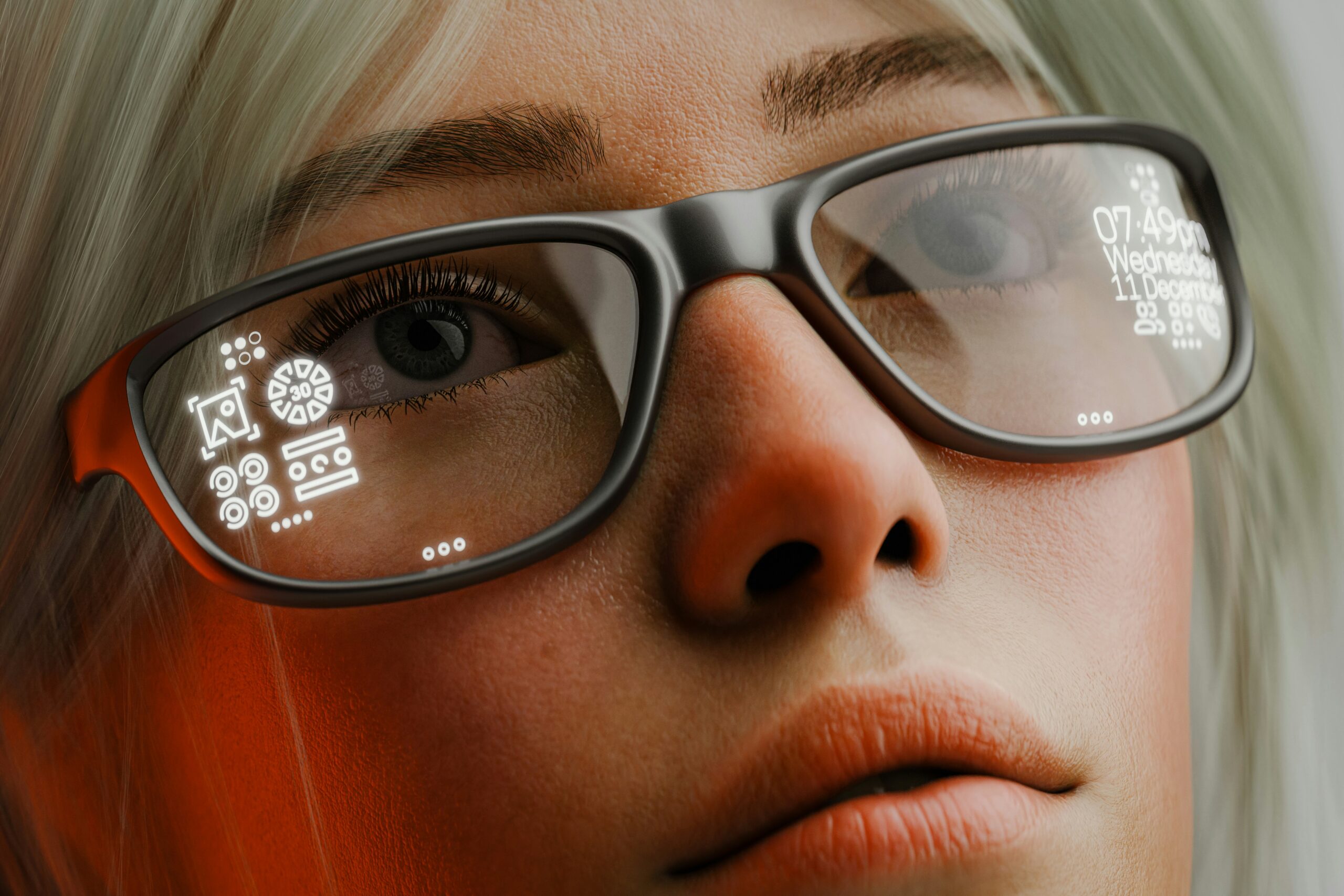
Technology is changing the eyewear business faster than ever before. New digital tools improve product design, customer service, and retail experiences. As a result, eyewear brands now deliver greater convenience and better personalization. Consumers also expect faster service and more accurate recommendations. Therefore, companies that embrace innovation gain a stronger position in a competitive market.
The eyewear industry once depended mainly on physical stores and manual processes. Today, digital platforms connect manufacturers, retailers, and customers more efficiently. Smart software supports every stage of the customer journey. From virtual fittings to automated production, technology creates value across the entire eyewear business.
How Technology Is Transforming the Eyewear Business
The modern eyewear business relies heavily on digital innovation. Companies now use advanced software to improve operations and customer satisfaction. As technology evolves, businesses respond more quickly to changing market demands.
Artificial intelligence, cloud platforms, and automation help reduce delays and improve accuracy. These tools also support better inventory management and faster product delivery. Consequently, eyewear companies can meet customer expectations with greater confidence.
Technology also creates stronger communication between brands and consumers. Customers receive personalized product suggestions based on their preferences and buying history. This approach increases satisfaction while encouraging long-term loyalty.
Digital Eye Exams Improve Accessibility
Digital eye exams have expanded access to vision care. Many providers now offer online screening tools before in-person appointments. Although these tests do not replace comprehensive eye examinations, they offer greater convenience for many patients.
Healthcare providers also use digital imaging to detect vision problems more accurately. High-resolution scans help identify eye conditions earlier than traditional methods. As a result, patients receive treatment recommendations more quickly.
Remote consultations continue to grow across the optical industry. Telehealth platforms connect patients with licensed professionals from almost any location. Therefore, technology supports better access without sacrificing quality.
Virtual Try-On Technology Enhances Customer Confidence
Virtual try-on technology has become one of the most valuable innovations in the eyewear business. Customers can see how different frames look before making a purchase. This feature reduces uncertainty and increases buying confidence.
Augmented reality allows shoppers to view realistic frame sizes and styles. Customers simply use their smartphone or computer camera during the process. Consequently, they spend less time guessing which products fit best.
Retailers also experience fewer product returns because customers make better purchasing decisions. Lower return rates reduce operating costs and improve customer satisfaction. Therefore, virtual try-on technology benefits both businesses and consumers.
Artificial Intelligence Creates Personalized Shopping Experiences
Artificial intelligence changes how eyewear retailers understand customer preferences. AI systems analyze shopping behavior, facial features, and previous purchases. They then recommend frames that match personal style and visual needs.
Machine learning continues improving recommendation accuracy over time. Every customer interaction provides valuable data for future suggestions. As a result, shoppers enjoy more relevant product options during every visit.
AI-powered chatbots also improve customer support. They answer common questions immediately and assist with product selection. Furthermore, human staff can focus on more complex customer needs.
Smart Manufacturing Improves Product Quality
Modern manufacturing technologies increase both speed and precision. Automated equipment produces eyewear frames with greater consistency than traditional methods. Therefore, manufacturers reduce waste while maintaining high quality.
Three-dimensional printing also transforms product development. Designers quickly create prototypes without expensive tooling or long production delays. This flexibility supports faster innovation across the eyewear business.
Advanced manufacturing systems also allow greater customization. Customers can request unique colors, sizes, or design features more easily. Consequently, brands deliver products that better reflect individual preferences.
Data Analytics Supports Better Business Decisions
Data analytics has become an essential business tool for eyewear companies. Retailers collect valuable information from websites, mobile apps, and physical stores. They then use this data to improve marketing strategies and inventory planning.
Sales trends reveal which products perform well throughout different seasons. Businesses adjust purchasing decisions based on reliable information instead of assumptions. Therefore, companies reduce excess inventory while improving product availability.
Customer feedback also provides important business insights. Reviews highlight both strengths and areas for improvement. As a result, eyewear brands continue to refine their products and services.
E-Commerce Expands the Reach of the Eyewear Business
Online shopping has transformed customer expectations across many industries. The eyewear business has adapted by creating seamless digital purchasing experiences. Customers now browse thousands of products from their homes.
Modern e-commerce platforms include detailed product descriptions, customer reviews, and virtual fitting tools. These features reduce uncertainty during online purchases. Consequently, consumers feel more comfortable buying eyewear online.
Fast shipping and flexible return policies also strengthen customer trust. Many companies combine online convenience with in-store support. Therefore, customers enjoy greater flexibility throughout the buying process.
Smart Glasses Open New Market Opportunities
Smart glasses represent an exciting area of technological growth. These wearable devices combine traditional eyewear with digital capabilities. Users can access navigation, communication, and entertainment without holding another device.
Many technology companies continue investing in wearable innovation. Improved battery life and lighter designs increase everyday usability. As a result, smart glasses continue attracting new consumer interest.
Businesses also explore professional applications for smart eyewear. Healthcare workers, engineers, and warehouse employees benefit from hands-free information. Therefore, the eyewear industry continues expanding beyond traditional vision correction.
Automation Improves Supply Chain Efficiency
Supply chain technology plays an important role in modern eyewear operations. Automated systems monitor inventory in real time across multiple locations. This visibility reduces shortages and unnecessary overstock.
Artificial intelligence also predicts future demand with greater accuracy. Businesses prepare inventory before seasonal demand increases. Consequently, customers experience fewer delays when ordering popular products.
Digital tracking systems also improve shipment transparency. Customers receive accurate delivery updates throughout the purchasing process. Therefore, automation strengthens both operational efficiency and customer satisfaction.
Sustainability Benefits from Technological Innovation
Technology also supports sustainable business practices across the eyewear industry. Manufacturers use advanced software to reduce production waste and optimize material usage. This approach lowers environmental impact while improving efficiency.
Many companies now develop recycled and bio-based frame materials. Digital manufacturing techniques help reduce unnecessary resource consumption. As a result, sustainable production becomes more practical and affordable.
Smart logistics systems also reduce transportation waste. Better route planning lowers fuel consumption and delivery costs. Therefore, technology contributes to both environmental responsibility and business performance.
The Future of the Eyewear Business
The future of the eyewear business will depend on continuous innovation. Artificial intelligence, wearable technology, and digital healthcare will continue shaping customer expectations. Companies that adapt quickly will remain competitive in a changing marketplace.
Consumers increasingly expect personalized experiences and convenient digital services. Businesses must invest in technologies that improve both efficiency and customer value. Furthermore, collaboration between technology providers and eyewear companies will accelerate future innovation.
Technology will not replace human expertise in vision care. Instead, it will strengthen professional services through better tools and more accurate information. The eyewear business will continue evolving as innovation creates better products, stronger customer relationships, and smarter business operations.