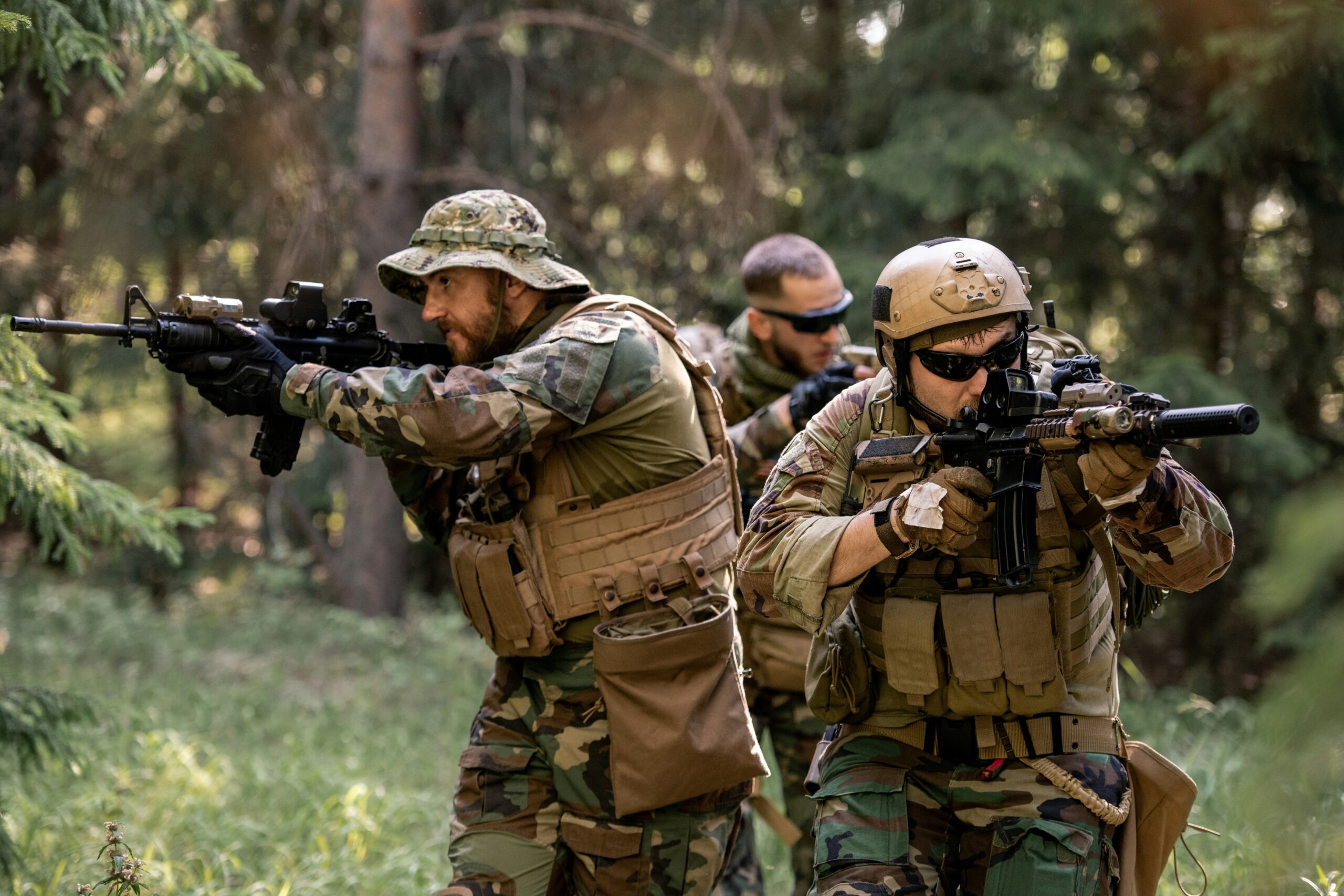
Military operations depend on more than weapons and soldiers on the battlefield. They also require infrastructure, mobility, protection, and problem-solving skills. Combat engineers play a vital role by creating solutions that allow military forces to move, survive, and complete missions effectively. These specialized personnel bridge the gap between strategic plans and real-world challenges by using engineering expertise in dangerous environments. Therefore, their contributions often determine how quickly and safely military units can operate during complex missions.
The Essential Role of Combat Engineers
Combat engineers support military operations by handling tasks that combine engineering knowledge with battlefield skills. They construct roads, bridges, defensive structures, and temporary facilities that help forces advance and maintain positions. Additionally, they remove obstacles, manage explosive hazards, and improve movement across difficult terrain. Their work allows combat units to focus on their primary objectives while engineers solve critical logistical challenges.
Moreover, combat engineers prepare environments where military operations can succeed. They analyze terrain, identify potential risks, and develop practical solutions under pressure. Whether they build a crossing over a river or clear a route through dangerous areas, they provide essential support that connects planning with execution. As a result, commanders rely on their expertise to overcome physical barriers during missions.
Supporting Mobility and Battlefield Operations
Mobility remains one of the most important factors in military success, and combat engineers help maintain it in challenging conditions. They build and repair transportation routes, improve access points, and create pathways for vehicles and personnel. Furthermore, they adapt quickly when natural obstacles, damaged infrastructure, or enemy actions affect movement. Their ability to restore mobility helps military units maintain operational speed and flexibility.
In addition, combat engineers support both offensive and defensive operations by preparing the battlefield. They may construct protective barriers, strengthen positions, and create structures that improve safety for personnel. Therefore, their responsibilities extend beyond construction because they directly influence how forces respond to changing situations. Their engineering skills provide commanders with more options during military operations.
Managing Challenges in Complex Environments
Combat engineers often work in environments where conditions change rapidly. They must operate in areas affected by conflict, extreme weather, damaged infrastructure, and limited resources. Because of this, they require strong technical abilities, teamwork, and decision-making skills. They must evaluate problems quickly and develop solutions that meet mission requirements while considering safety.
Furthermore, modern military operations demand that combat engineers understand advanced technologies and new methods. They use specialized equipment, digital tools, and improved engineering techniques to handle complex tasks. As technology continues to evolve, engineers must adapt their knowledge to support missions more effectively. This constant development helps military forces respond to modern challenges with greater efficiency.
The Connection Between Engineering and Mission Success
Combat engineers create a direct connection between military strategy and practical action. A well-planned mission can face serious difficulties if forces cannot move, communicate, or establish secure locations. However, engineers reduce these challenges by providing technical support that turns plans into achievable operations. Their efforts often create the conditions needed for other units to perform successfully.
Additionally, combat engineers contribute during humanitarian and recovery missions. After natural disasters or conflicts, they can help rebuild infrastructure, restore transportation routes, and support communities. Therefore, their skills extend beyond traditional combat roles and demonstrate the broader value of military engineering capabilities. Their ability to solve physical challenges makes them important during both conflict and recovery situations.
Training and Skills of Combat Engineers
Becoming a combat engineer requires extensive training that combines military preparation with engineering knowledge. Personnel learn construction techniques, demolition procedures, equipment operation, and battlefield safety practices. Moreover, they develop leadership and teamwork skills because they often complete difficult assignments in demanding environments. This combination prepares them to manage technical tasks while operating as part of a military unit.
Furthermore, combat engineers must maintain physical fitness and mental readiness. Their work can involve heavy equipment, long hours, and stressful conditions. They need discipline, adaptability, and attention to detail to complete missions successfully. As a result, their training creates professionals who can handle both engineering responsibilities and military challenges.
The Future of Combat Engineering
The role of combat engineers continues to change as military technology advances. Today, engineers increasingly use robotics, advanced materials, and digital planning systems to improve their capabilities. Additionally, modern conflicts require solutions for new challenges, including complex urban environments and damaged infrastructure. These developments push combat engineers to expand their skills and adopt innovative approaches.
In the future, combat engineers will likely remain essential because military operations will continue to require mobility, protection, and infrastructure support. Their ability to combine technical expertise with battlefield awareness gives them a unique position within military organizations. Therefore, they will continue bridging the gap between strategic goals and operational success.
Combat engineers represent the connection between innovation, preparation, and mission achievement. Through construction, problem-solving, and technical expertise, they help military forces overcome obstacles and operate effectively. Ultimately, their work shows how engineering knowledge can transform difficult situations into manageable challenges, making them a crucial part of modern military operations.