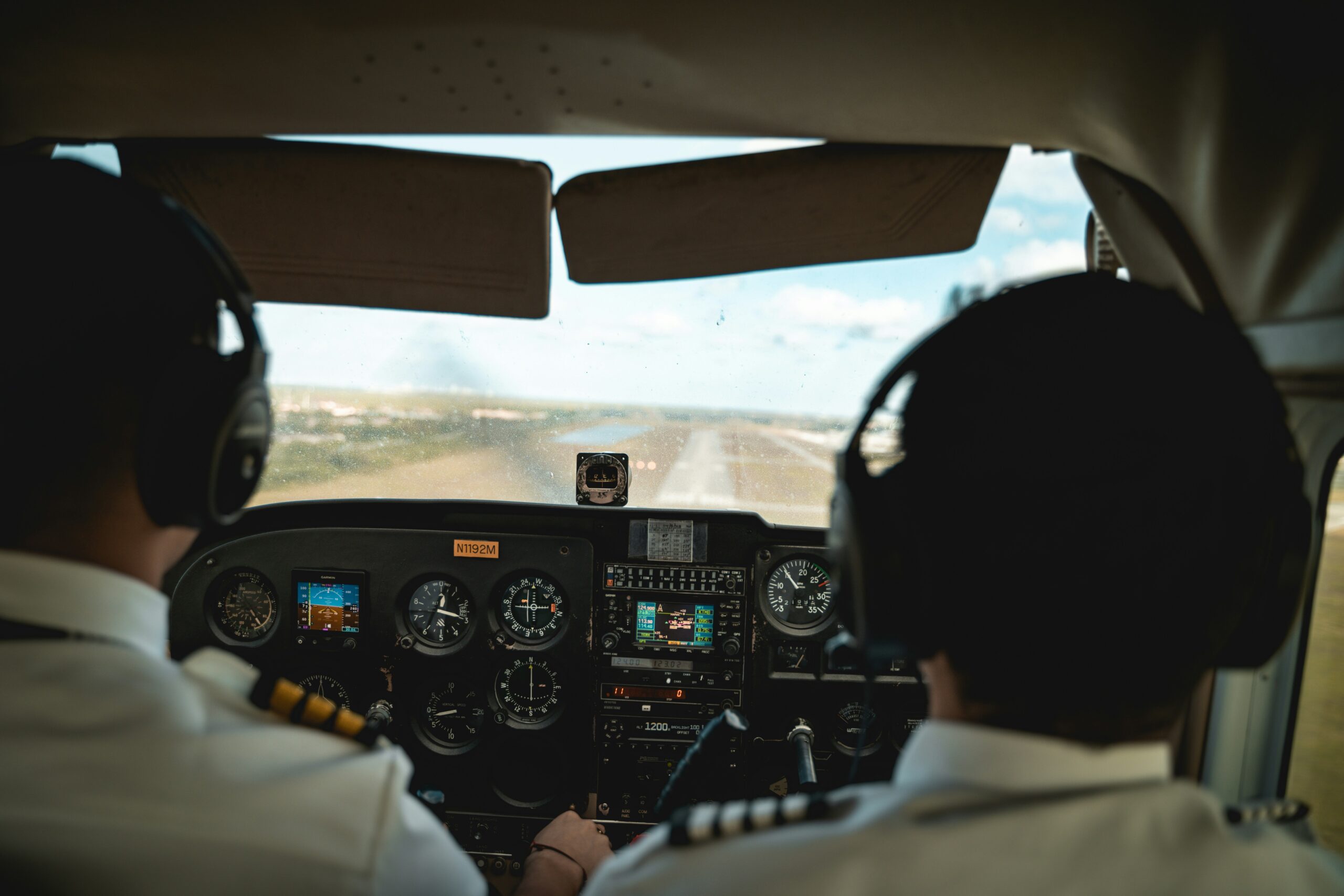
Few careers offer the same mix of freedom, responsibility, and adventure as flying an aircraft. For many people, the dream begins with watching airplanes cross the sky or imagining what the world looks like from thousands of feet above the ground. However, turning that dream into reality takes more than enthusiasm. The journey through pilot training requires education, practice, discipline, and a strong commitment to safety. Becoming a pilot is a step-by-step process, and each stage builds the knowledge and confidence needed for the next one. Whether your goal is to fly for fun, operate private aircraft, or sit in the cockpit of a commercial airliner, understanding the path ahead can help you prepare for an exciting aviation career.
Discovering the World of Aviation
Many future pilots become interested in aviation long before they enter a cockpit. Some develop their passion after taking a commercial flight, visiting an airport, using a flight simulator, or attending an aviation event. Others simply feel drawn to the idea of controlling an aircraft and exploring the world from above. Still, enjoying airplanes and becoming responsible for one are very different experiences. Pilots need to understand weather, navigation, aircraft systems, regulations, communication procedures, and emergency situations. They must also learn how to make calm decisions when conditions change. For that reason, an introductory or discovery flight can be a useful first experience. During this type of flight, an instructor introduces a new student to the aircraft and basic controls. It gives the student a clearer picture of what flight instruction feels like before making a larger commitment.
Choosing the Right Flying Goal
Not everyone learns to fly for the same reason. Therefore, one of the first important decisions is identifying what you want aviation to become in your life. Some people want to fly recreationally and enjoy weekend trips. Others hope to use an aircraft for personal or business travel. Meanwhile, students who dream of earning money in aviation generally continue through more advanced licenses, ratings, and experience requirements. Your goal can influence your choice of flight school, training schedule, aircraft, budget, and long-term plan. Someone pursuing an airline career, for example, will usually follow a much longer training path than someone who simply wants to operate small aircraft for personal enjoyment. Goals can change as you gain experience, though. A student who originally plans to fly for fun may later decide to pursue aviation professionally.
Starting Formal Pilot Training
Once you decide to learn, the real work begins. Formal flight education generally combines classroom or ground instruction with practical experience in an aircraft. Ground lessons cover subjects such as aerodynamics, navigation, weather, aircraft performance, regulations, and flight planning. Students also learn how aircraft instruments work and how pilots communicate with air traffic control. Then comes the practical side of pilot training. With an instructor beside you, you learn fundamental skills such as taxiing, climbing, descending, turning, maintaining altitude, and landing. At first, managing everything at once can feel challenging. However, repetition gradually turns unfamiliar procedures into familiar routines. Students also practice situations that require quick but controlled responses. The purpose is not simply to operate the aircraft when everything goes perfectly. Good instruction prepares pilots to recognize problems early and respond safely when circumstances change.
Reaching the First Solo Flight
One of the most memorable moments in flight education is the first solo flight. It happens when an instructor determines that a student is prepared to operate the aircraft without the instructor sitting beside them. That moment represents much more than flying alone. It shows that the student has developed a foundation of aircraft control, awareness, communication, and judgment. However, solo flying does not mean training is finished. In many ways, it marks the beginning of a new stage. Students continue practicing maneuvers while building experience and preparing for longer flights. Cross-country training is another major part of development. Despite its name, a cross-country flight does not necessarily mean traveling across an entire nation. In aviation, the term generally describes flights between different locations that meet applicable training or certification requirements. These flights teach students to plan routes, calculate fuel needs, monitor weather, navigate between airports, and adjust when conditions do not develop exactly as expected.
Building Strong Decision-Making Skills
Flying an aircraft involves much more than moving the controls correctly. Pilots constantly gather information and make decisions. Weather offers a clear example. Conditions can change, and a pilot must know when a flight should continue, change course, return, or remain on the ground. Pressure to reach a destination should never become more important than safety. The same principle applies to aircraft condition and personal readiness. A responsible pilot considers whether the airplane is suitable for the planned flight and whether they are physically and mentally prepared to operate it. Strong aviation skills develop through practice, but judgment also grows through experience. Instructors help students learn how to evaluate risks rather than simply react to problems after they appear.
Earning Licenses and Advanced Ratings
The exact licensing process depends on the country and type of flying a person wants to do. In the United States, pilots progress through certificates and ratings governed by the Federal Aviation Administration. A private pilot certificate is a common major milestone. It allows qualified pilots to conduct many noncommercial flights within the privileges and limitations of the certificate. Pilots pursuing professional careers generally continue beyond this level. An instrument rating, for example, teaches pilots to operate using aircraft instruments under conditions and rules that require specialized training. Commercial pilot certification allows qualified pilots to perform certain flying activities for compensation or hire. Some pilots also become flight instructors. Teaching provides valuable experience while allowing instructors to help new students develop their own flying abilities. Airline-focused pilots must meet additional certification, training, medical, and experience requirements. Because regulations and career pathways can change, students should check current requirements with the aviation authority that applies to them.
Understanding the Importance of Safety
Aviation depends heavily on preparation and procedures. Before a flight begins, pilots may review weather information, aircraft condition, fuel requirements, airport details, routes, and possible alternatives. Checklists are also central to safe flying. Even experienced pilots use them because memory alone is not a reliable safety system. This disciplined approach continues after training. Professional crews follow established procedures, communicate clearly, and regularly complete recurrent instruction or evaluations required for their operations. Safety also means recognizing personal limits. Canceling or delaying a flight because conditions are unsuitable can be a sign of strong judgment rather than weakness. The goal is always to complete the flight safely, not simply to complete it as planned.
Preparing for a Professional Aviation Career
Students interested in professional flying should understand that reaching the cockpit of a large passenger aircraft usually takes time. Training provides the foundation, but pilots must also build the experience required for more advanced opportunities. There are several possible career directions. Pilots may work in passenger transportation, cargo operations, charter services, corporate aviation, flight instruction, aerial survey work, or other specialized areas. Each path can have different requirements and working conditions. Airline pilots, for instance, may spend significant time away from home and work schedules that include weekends, holidays, early mornings, or overnight flights. At the same time, the profession can provide opportunities to operate advanced aircraft and travel to destinations that many people rarely experience. Developing professional aviation skills also involves teamwork. Modern flying is rarely an individual effort. Pilots communicate with other crew members, air traffic controllers, dispatchers, maintenance professionals, and ground personnel. Clear communication and cooperation are essential parts of safe operations.
Managing the Cost and Time Commitment
Learning to fly can require a significant financial investment. Aircraft rental, instructor fees, learning materials, examinations, medical requirements, and additional training can all contribute to the total cost. Planning ahead can make the process easier to manage. Students may compare flight schools, ask what expenses are included in quoted prices, and create a realistic training budget before beginning. Training frequency matters as well. Long gaps between lessons can make it necessary to spend additional time reviewing skills from previous sessions. A consistent schedule can help students maintain familiarity and make steady progress, although the best schedule depends on personal circumstances. Students considering aviation as a career should look beyond the initial cost and think about the full training path. Understanding future certification and experience requirements can help prevent unexpected financial surprises later.
Continuing to Learn After Certification
Passing a practical test is a major achievement, but it does not mean a pilot has finished learning. Aviation technology, regulations, procedures, and personal skills continue to develop throughout a pilot’s career. Pilots regularly review procedures and practice skills that may not appear during everyday flights. Many also pursue additional ratings or learn to operate different aircraft. Experience brings confidence, but responsible pilots avoid becoming careless. Every flight offers another opportunity to improve planning, communication, aircraft handling, and decision-making. Maintaining that learning mindset is one of the most valuable habits a pilot can develop.
Turning the Dream of Flight Into Reality
The path from a first flying lesson to confidently operating an aircraft can be demanding, but every stage has a purpose. Students learn the mechanics of flight while also developing patience, judgment, responsibility, and respect for safety. For anyone considering pilot training, the journey starts with learning what the profession or hobby truly involves and choosing a training path that matches personal goals. Progress comes lesson by lesson and flight by flight. Eventually, skills that once seemed complicated can become part of a familiar routine. Becoming a pilot is not simply about reaching the sky. It is about earning the knowledge and responsibility required to operate there safely. With steady preparation, quality instruction, and continued learning, the dream of taking the controls can become a rewarding reality.