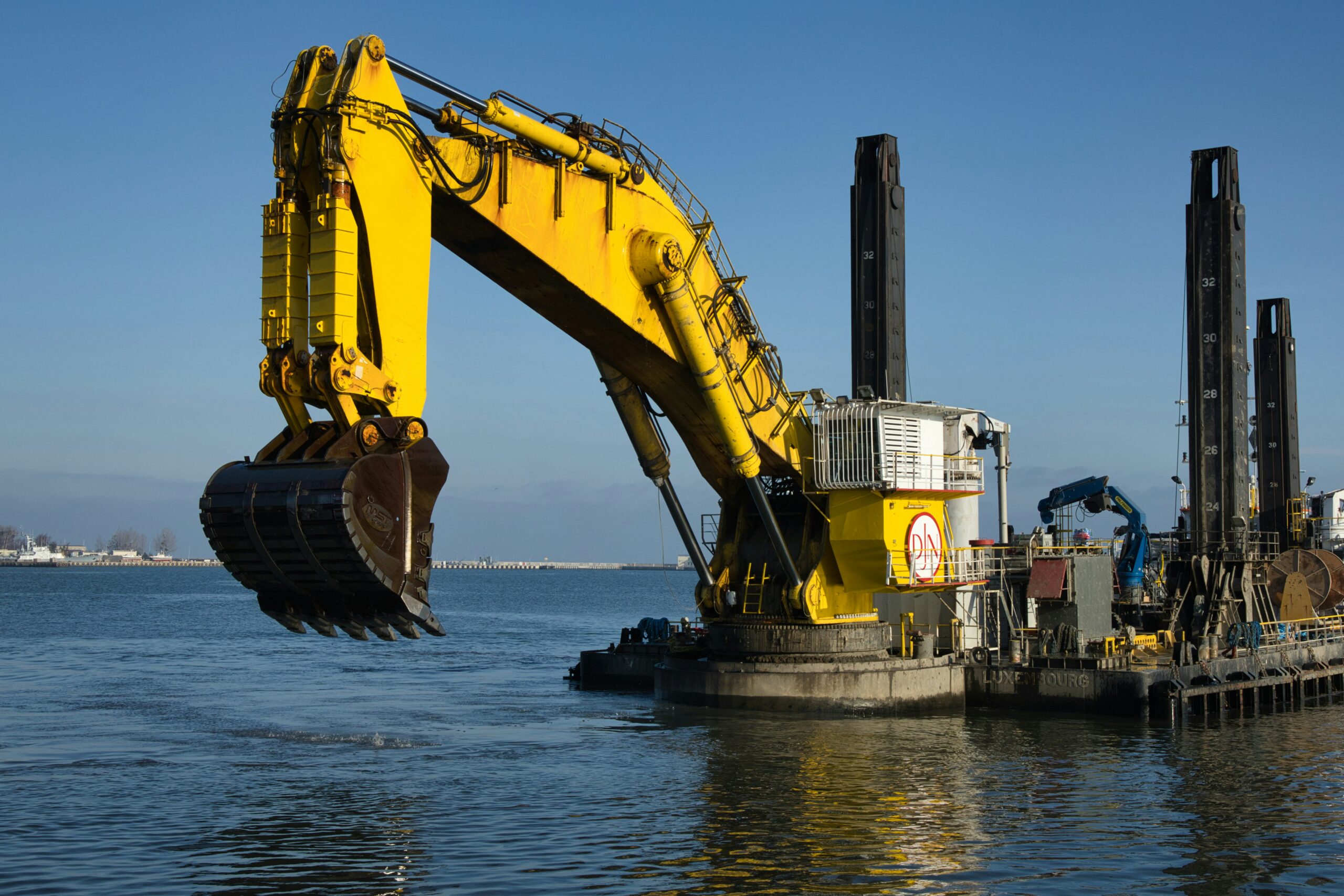
Constructing buildings and infrastructure over water is a unique challenge. The constant movement of water, unpredictable weather, and delicate ecosystems require careful planning. Success in marine construction comes from understanding the environment and adapting designs to withstand these conditions. Projects near coasts, rivers, or wetlands must account for tides, currents, and shifting soil beneath the surface. Each step of the process demands precision and creativity to ensure safety and durability.
Marine construction is not just about engineering. It is about harmonizing with nature while achieving human objectives. Builders face the task of creating structures that resist corrosion, storms, and water pressure. They must consider materials, techniques, and long-term maintenance. When done well, these projects provide critical infrastructure for transportation, energy, and community development. They also serve as a testament to human ingenuity in difficult conditions.
Understanding the Water Environment
Water is unpredictable. Levels rise and fall with tides and weather, sometimes within hours. Currents can be gentle or strong, affecting stability. The soil beneath the water is often soft and uneven. Engineers study these conditions closely before any construction begins. They take samples and conduct tests to determine how best to support structures. Knowing how water behaves helps avoid damage and costly delays.
The environment also influences material choice. Marine builders use concrete, steel, and treated wood that resist water damage. Protective coatings and barriers prevent erosion and corrosion. Understanding the flow of water and seasonal changes ensures that a pier, dock, or floating platform lasts for decades. The careful study of natural forces sets the foundation for every successful project.
Innovative Foundation Techniques
Building on water starts with strong foundations. Piles are driven deep into the soil beneath lakes, rivers, or oceans. These pillars carry the weight of the structure above. Builders use both timber and steel piles depending on the project size and water conditions. In shallow waters, floating foundations may be used. These platforms are anchored but can rise and fall with tides.
Floating structures are becoming increasingly popular in areas with unstable soils. They reduce stress on weak underwater soil and allow flexibility during storms. Designers incorporate buoyancy systems that keep buildings stable even in rough conditions. Innovation in foundations allows construction to move forward where traditional methods would fail. It also opens the door to sustainable and resilient designs.
Materials that Withstand the Elements
Marine construction demands materials that survive harsh environments. Steel, for example, is strong but can corrode quickly. Builders use coatings and alloys to slow this process. Concrete must resist cracking and leaching in saltwater. Additives and reinforcement ensure the longevity of structures. Wood and composites are treated to resist rot and pests.
Choosing the right material is more than a technical decision. It affects maintenance, safety, and costs. Materials must work together to form a structure that endures decades of water exposure. Engineers consider the impact of waves, wind, and even marine life. A well-selected material set ensures the structure stands firm, no matter the weather.
Environmental Considerations
Construction in aquatic settings comes with environmental responsibility. Projects can disrupt fish, birds, and plants. Sediment and debris from buildings can polluted water and harm ecosystems. Careful planning reduces these impacts. Builders often work with environmental experts to protect local habitats.
Sustainable methods are increasingly standard. Structures may be designed to allow water flow and prevent flooding. Materials can be recycled or chosen to minimize chemical release. Marine construction can coexist with nature when done thoughtfully. Protecting the environment ensures the long-term success of both the project and the surrounding ecosystem.
Techniques for Storm Resistance
Storms are a major challenge for marine structures. Strong winds, high waves, and surges can damage even well-built platforms. Designers account for extreme weather during every stage of construction. They study historical storm data and simulate possible scenarios.
Structures are reinforced to absorb shock and resist overturning. Foundations are deep, connections are tight, and materials are resilient. Breakwaters and barriers may be installed to reduce wave energy. By preparing for the worst, builders create structures that remain safe and functional, even in severe conditions. Storm-resistant construction saves lives and money over time.
Maintenance and Longevity
Construction does not end when the project is complete. Marine structures require ongoing maintenance to perform well. Regular inspections detect corrosion, wear, and damage from water movement. Preventive measures extend the lifespan of piers, bridges, and docks. Maintenance schedules are carefully planned to minimize disruptions to the surrounding environment and community.
Longevity depends on the combination of design, materials, and attention over time. Buildings that are routinely monitored and maintained can last decades longer than those that are neglected. Marine construction demands a commitment not only to building but also to caring for the structure throughout its life. Consistent upkeep ensures resilience against the forces of nature.
The Future of Marine Construction
Marine construction continues to evolve. Engineers are exploring floating cities, offshore renewable energy, and resilient coastal defenses. Technology allows for more precise monitoring of environmental conditions and structural integrity. Drones, sensors, and advanced modeling provide real-time data that guides design and maintenance.
Sustainable practices are shaping the future. Builders focus on minimizing ecological impact while maximizing safety and functionality. Innovations in materials, design, and construction techniques offer solutions to challenges that once seemed insurmountable. The combination of creativity, science, and respect for the environment drives the next generation of marine projects.
Marine construction in tough environments is a delicate balance of art and science. It requires understanding water, innovative techniques, durable materials, environmental care, and long-term maintenance. Every project teaches new lessons about resilience and adaptation. By embracing these principles, builders can create structures that serve communities while respecting the powerful forces of nature.