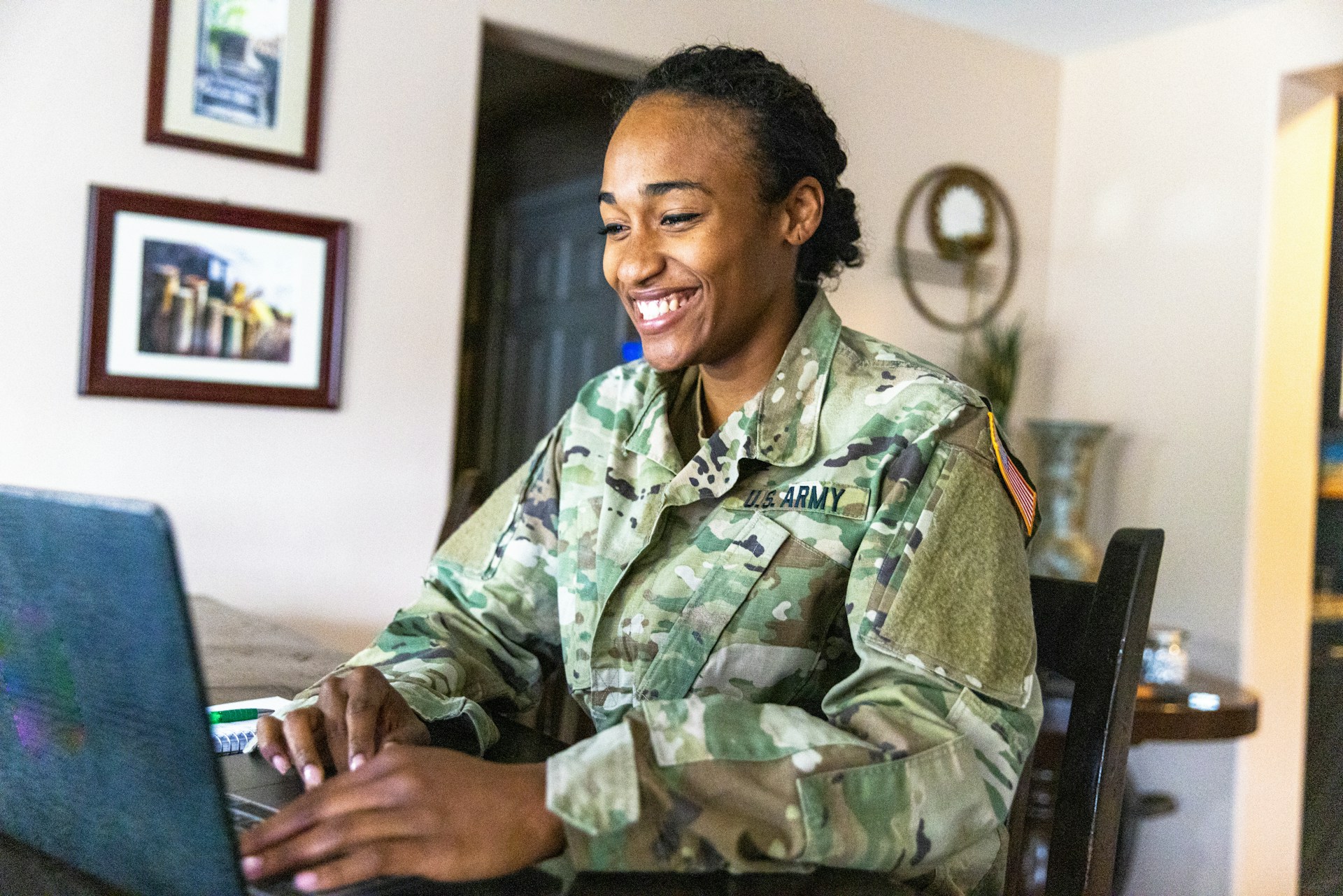
Great leadership often develops through experience, discipline, and the willingness to serve others before yourself. Military commanders spend years learning how to guide teams through uncertainty while keeping everyone focused on a shared mission. Those same principles now help businesses improve performance, strengthen workplace culture, and prepare for future challenges. Companies that embrace operational leadership excellence often discover that strong leadership habits create lasting success, regardless of the industry or market conditions.
Developing Confidence Through Daily Discipline
Strong organizations begin with disciplined leaders. Military commanders understand that small daily habits shape bigger outcomes over time. Likewise, business professionals who stay organized, follow through on commitments, and maintain high standards earn the trust of their teams.
Discipline also creates consistency during busy periods. Employees perform better when expectations remain clear and predictable. As a result, people spend less time guessing priorities and more time producing meaningful results that move the organization forward.
Inspiring Commitment Instead of Compliance
People rarely give their best effort because someone tells them to. Instead, they become fully committed when they understand the purpose behind their work. Military leaders communicate clear missions that unite people around common objectives, and business leaders can apply the same approach.
When employees understand why their contributions matter, motivation naturally increases. Furthermore, leaders who recognize individual strengths help team members feel respected and appreciated. This environment encourages higher engagement, stronger collaboration, and greater loyalty.
Responding Quickly to Changing Conditions
No plan remains perfect forever. Military commanders regularly adjust strategies as situations change, and successful companies benefit from the same flexibility. Markets evolve, customer needs shift, and unexpected challenges appear without warning.
Effective leaders stay informed while remaining open to new ideas. Instead of resisting change, they evaluate new information and adapt their approach. Consequently, organizations become more resilient and better prepared for future opportunities.
Building Strong Communication Across Every Level
Clear communication prevents confusion and strengthens teamwork. Military operations depend on accurate information flowing between every level of command. Businesses achieve similar success when leaders encourage open conversations throughout the organization.
Managers should share goals, explain decisions, and invite honest feedback. Employees also feel more confident when they know their opinions matter. Over time, this communication creates stronger relationships and reduces misunderstandings that slow progress.
Healthy communication also supports faster problem-solving. Teams that exchange ideas freely often discover creative solutions before small concerns become major obstacles. During this process, many organizations improve their decisive team coordination, allowing departments to work together more effectively.
Leading With Accountability Every Day
Military commanders accept responsibility for both victories and setbacks. This attitude builds respect because people trust leaders who own their decisions. Business leaders earn the same respect by remaining accountable for their actions and supporting their teams through every challenge.
Accountability also creates stronger workplace cultures. Employees become more willing to accept responsibility when leaders set the right example. Therefore, organizations experience greater transparency, improved performance, and stronger relationships across every department.
Honest accountability also encourages continuous improvement. Instead of hiding mistakes, successful teams examine them carefully and develop better processes for the future. This mindset strengthens both individual growth and organizational success.
Preparing Teams for Future Challenges
Military organizations spend significant time training before facing real situations. Businesses should take a similar approach by investing in employee development before challenges arise. Preparation creates confidence and improves decision making when pressure increases.
Training should extend beyond technical knowledge. Leaders should also help employees strengthen communication, problem solving, and emotional intelligence. As a result, teams become more adaptable while preparing for greater responsibilities throughout their careers.
Balancing Authority With Genuine Respect
Strong leadership does not rely on fear. Military commanders know that lasting influence comes from earning respect rather than demanding obedience. Business leaders who treat employees fairly create healthier workplaces and stronger long term relationships.
Respect grows through listening, fairness, and consistent behavior. Additionally, leaders who encourage different perspectives often make better decisions because they consider a wider range of ideas. This inclusive approach strengthens both innovation and trust.
Turning Leadership Principles Into Lasting Business Results
Military leadership offers valuable lessons because it focuses on people as much as performance. Organizations that embrace a resilient decision culture create environments where employees feel confident, supported, and motivated to contribute their best work. These qualities strengthen teams while helping businesses respond effectively to changing markets and customer expectations.
The journey from military command to business leadership demonstrates that great leadership principles never lose their value. Although industries continue to evolve, people still respond to honesty, preparation, accountability, and clear communication. Leaders who practice these timeless habits build organizations that achieve sustainable growth while developing future leaders who continue the cycle of success.