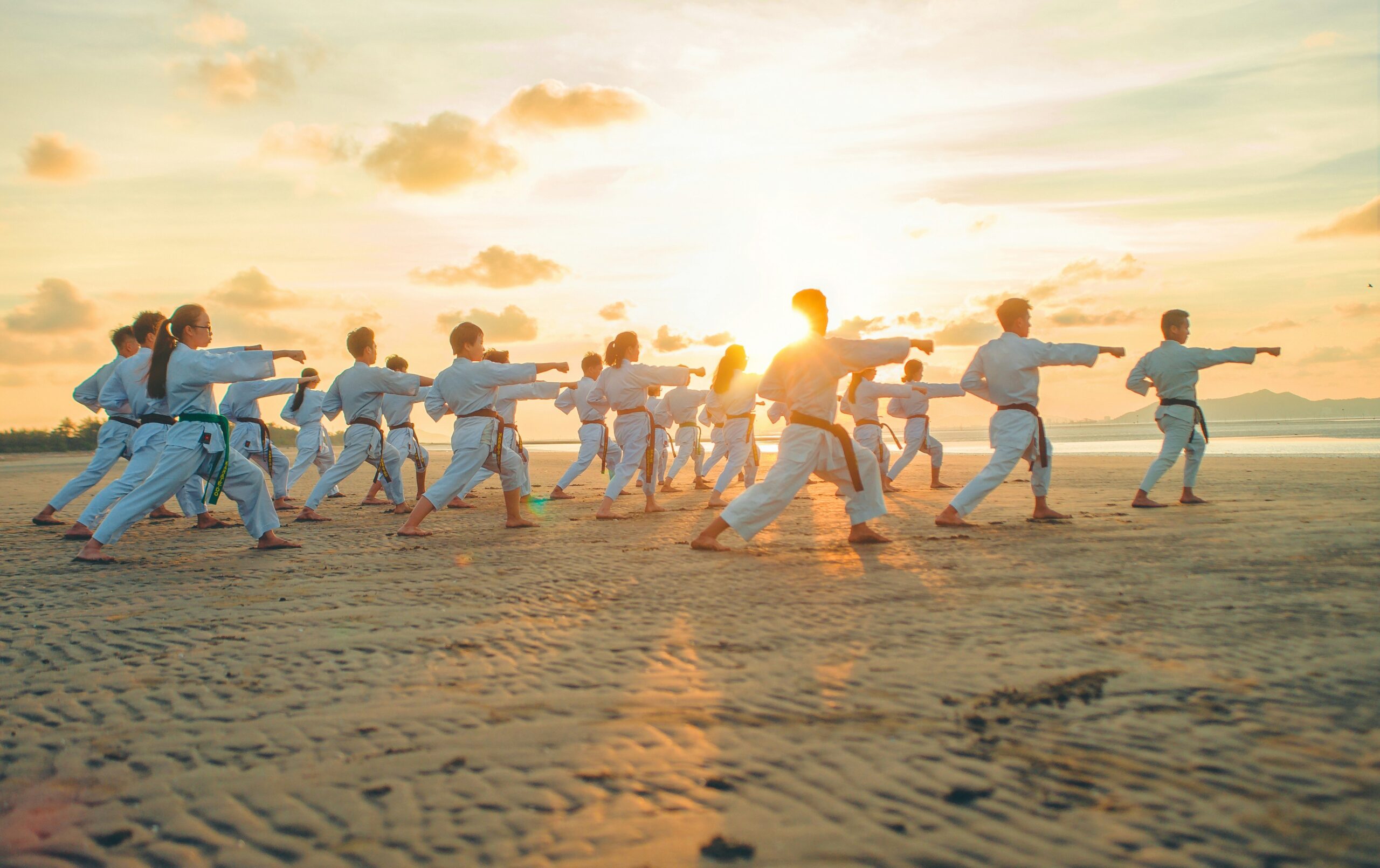
Leadership is built through experience, discipline, and the ability to respond wisely during difficult moments. These qualities are developed in many areas of life, including martial arts. Jiu-jitsu is more than a physical activity; it teaches people to think, plan, and manage challenges. Jiu-jitsu leadership training helps individuals improve decision-making skills by teaching patience, awareness, and strategic thinking. Practitioners learn that success does not always come from strength. It often comes from understanding situations and choosing the right approach. These lessons can help leaders in business, education, sports, and everyday life. Jiu-jitsu creates a mindset focused on learning, adapting, and improving. The training process encourages people to stay calm under pressure and find effective solutions when facing obstacles. These leadership lessons show how martial arts can influence personal development and create stronger decision-makers.
Understanding Strategy Through the Art of Jiu-Jitsu
Jiu-jitsu is based on strategy rather than simple physical power. Practitioners must analyze situations, understand movement, and make decisions quickly. Every position requires careful thinking because one small mistake can change the outcome. This process develops awareness and encourages people to think before acting. Leaders often face similar situations. They must evaluate information, consider different options, and choose actions that support their goals. Jiu-jitsu teaches that quick reactions are not always the best reactions. A thoughtful approach often creates better results.
Training also helps people understand the importance of planning. Before entering a match or practice session, practitioners prepare their techniques and study possible challenges. Leaders can use the same method by creating clear plans before making important decisions. Another valuable lesson is understanding balance. In jiu-jitsu, too much energy or unnecessary movement can create problems. Effective leaders also need balance when managing teams, resources, and responsibilities. They must know when to act and when to wait. Strategic thinking developed through martial arts can improve problem-solving skills. People learn to remain focused, study situations carefully, and choose solutions based on knowledge instead of emotion.
Developing Mental Strength and Pressure Management
One of the strongest connections between jiu-jitsu and leadership is the ability to handle pressure. Training often places practitioners in challenging situations where they must stay calm and focused. This experience develops mental strength and emotional control. Leaders regularly face pressure from deadlines, conflicts, and difficult decisions. Remaining calm during these moments helps them think clearly and guide others effectively. Jiu-jitsu teaches people how to manage stress without losing focus.
The training environment also builds resilience. Practitioners experience both success and failure during their journey. They learn that improvement requires patience and consistent effort. This mindset helps leaders continue moving forward when facing setbacks. Jiu-jitsu encourages people to understand their own strengths and weaknesses. Self-awareness is an important leadership quality because it allows individuals to improve and make better decisions. Recognizing areas for growth creates opportunities for personal development. Martial arts leadership principles help people develop confidence while maintaining control. The ability to stay composed during difficult situations creates stronger leaders who can support their teams and handle challenges effectively.
Improving Adaptability and Creative Problem Solving
Adaptability is a major skill in both jiu-jitsu and leadership. During training, practitioners cannot always follow a fixed plan. They must adjust their techniques based on their opponent’s actions and changing positions. This lesson applies directly to leadership. Organizations often experience unexpected changes that require flexible thinking. Leaders who can adapt quickly are better prepared to handle new challenges and opportunities.
Jiu-jitsu teaches practitioners to seek solutions rather than focusing solely on problems. When a technique does not work, students learn to adjust their approach and try another option. This creates a mindset that values creativity and improvement. Strong leaders use similar methods when managing teams or projects. They analyze situations, explore different strategies, and choose the best possible solution. This approach helps create better outcomes and stronger performance. The problem-solving skills developed through jiu-jitsu can improve decision-making in many areas. People learn to remain patient, gather information, and respond effectively under pressure.
Building Respect, Discipline, and Team Connection
Leadership depends on more than strategy and decision-making. It also requires respect, discipline, and the ability to work with others. Jiu-jitsu training helps develop these qualities through cooperation and shared learning. Although jiu-jitsu includes competition, training partners help each other improve. Students depend on one another to practice techniques safely and effectively. This creates an environment based on trust and teamwork.
Leaders can apply this lesson by creating supportive environments where team members feel valued. Respectful communication and cooperation help teams become stronger and more productive. Discipline is another important lesson from martial arts. Progress in jiu-jitsu requires regular practice and commitment. Leaders who develop discipline are more likely to stay focused on long-term goals and maintain consistent performance. The connection between discipline and leadership is clear. Successful leaders understand that improvement requires continuous effort. They encourage growth in themselves and others through dedication and learning.
Creating a Long-Term Growth Mindset Through Martial Arts
Jiu-jitsu teaches that growth is a continuous process. Practitioners do not become skilled overnight. They improve through practice, experience, and learning from challenges. This approach creates a mindset that supports lifelong development. Leaders can benefit from this same perspective. The best leaders continue learning and improving throughout their careers. They understand that every challenge provides an opportunity to gain knowledge and develop new skills.
Martial arts also teaches humility. Even experienced practitioners continue learning because there is always room for improvement. Leaders who remain open to feedback can build stronger relationships and become more effective. The lessons of jiu-jitsu extend beyond the training space. They influence how people approach problems, communicate with others, and make important decisions. The ability to stay focused, adapt, and learn creates a strong foundation for leadership. Jiu-jitsu strategic leadership skills demonstrate how martial arts can shape better decision-makers. Through discipline, adaptability, and thoughtful action, jiu-jitsu offers valuable lessons that help individuals become more confident and capable leaders in all aspects of life.