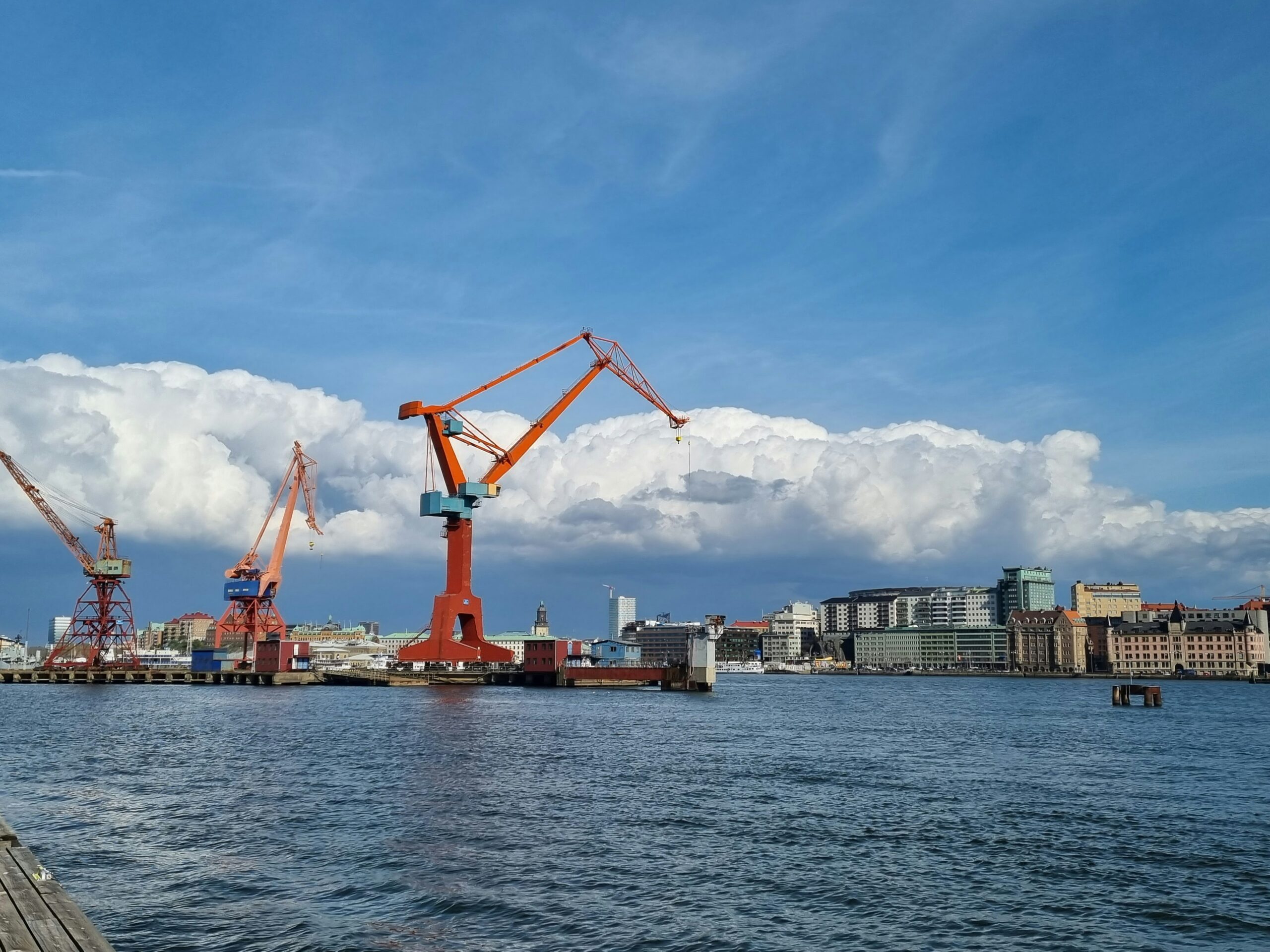
Marine construction plays a major role in modern infrastructure. Many important structures stand on water or near the coast. These include bridges, ports, offshore wind farms, and oil platforms. Building such structures is not simple. Water creates many risks that land construction does not face. Waves, currents, storms, and saltwater constantly affect structures. Engineers must design systems that stay strong in these harsh conditions. The work requires detailed planning and strong materials. Workers also use specialized equipment to build safely on water. Projects in remote oceans or frozen seas create even more challenges. Engineers must consider changing weather and deep-sea pressure. Every project needs careful testing before construction begins. This field continues to grow as coastal development expands. The need for reliable structures on water keeps increasing worldwide. That is why marine construction engineering has become a critical part of global infrastructure development.
Understanding Construction in Extreme Marine Environments
Extreme marine environments are locations where natural forces are very strong. These places include deep oceans, icy waters, and storm-prone coastlines. Engineers must understand these conditions before starting any construction project. Water depth is one of the first factors they study. Deep water requires longer foundations and stronger support systems. Soil conditions under the seabed also matter. Some areas contain soft sediments that do not support heavy structures well. Engineers conduct surveys to learn how stable the seabed is. Weather patterns also influence design decisions. Areas with frequent storms require stronger structural designs. Engineers also study wave direction and current flow. These forces constantly push against structures built in water. The goal is to build foundations that remain stable for decades. Engineers use advanced calculations to predict how structures will react to ocean forces. Careful planning helps reduce risk and ensures long-term safety for marine infrastructure.
Major Challenges in Building Structures on Water
Marine construction faces many challenges that do not exist on land. One major challenge is constant water movement. Waves and tides exert pressure on structures every day. Over time, this repeated force can weaken materials. Engineers must design structures that absorb or resist this pressure.
Another major problem is corrosion. Saltwater causes metal surfaces to rust quickly. If materials are not protected, structural damage can occur. Engineers use special coatings and corrosion-resistant alloys to prevent this issue. Construction work itself is also difficult on water. Workers often rely on floating platforms and barges. These platforms move with waves, making precision work harder. Safety risks increase during rough weather conditions. Storms can delay projects for long periods. In colder regions, ice movement creates another danger. Large ice sheets can crash into structures, causing damage. Engineers must design shapes that allow ice to move around supports without breaking them.
Modern Tools and Technology in Marine Engineering
Technology has changed how marine construction projects are completed. Engineers now use advanced tools to study ocean environments before construction begins. Computer modeling helps simulate wave impact and structural behavior. These models help engineers design stronger foundations. Satellite mapping also helps identify seabed conditions and water depth. During construction, drones and underwater robots assist workers. These machines inspect structures and collect data from difficult locations. Floating cranes lift heavy materials onto offshore platforms. GPS systems guide ships and equipment with great precision. These tools improve safety and speed during construction projects. Many marine projects today support renewable energy systems. Offshore wind turbines require strong foundations that are buried deep in the seabed. These turbines generate clean energy for coastal cities. Because of these developments, offshore infrastructure development has become an important area of marine engineering. Engineers continue to improve technology to handle extreme conditions better.
Environmental Responsibility in Marine Construction
Marine construction projects must protect the ocean environment. Coastal waters support many ecosystems and marine species. Construction work can disturb these habitats if it is not carefully managed. Engineers now follow strict environmental rules during marine projects. They monitor water quality and noise levels during construction activities. This helps reduce harm to fish and marine mammals. Sediment barriers are often used during underwater construction. These barriers prevent soil and debris from spreading into nearby waters. Engineers may also schedule work during seasons when marine life is less active. This reduces disturbance to animals that migrate or reproduce in certain months. Some structures even support marine life after construction. Artificial reefs sometimes form around offshore platforms. These reefs create habitats for fish and other organisms. Responsible engineering practices help balance development with environmental protection. Protecting the ocean remains a priority during every marine construction project.
The Future of Building in Harsh Ocean Conditions
The future of marine construction will bring new opportunities and challenges. Coastal populations continue to grow worldwide. Cities near oceans need stronger infrastructure to support trade and transportation. Ports must expand to handle larger ships and higher cargo volumes. Renewable energy projects will also increase in coastal waters. Offshore wind farms and wave energy systems require advanced marine structures. Climate change is another factor engineers must consider. Rising sea levels and stronger storms create new risks for coastal infrastructure. Engineers must design structures that can survive these future conditions. Floating structures may become more common in coastal cities. These designs can adapt to changing water levels more easily. New materials will also improve structural durability. Advanced concrete and corrosion-resistant metals are already being tested. Automation and robotics will likely speed up construction work on water. With ongoing innovation and research, engineers will continue to improve safety and efficiency in extreme ocean construction projects worldwide.