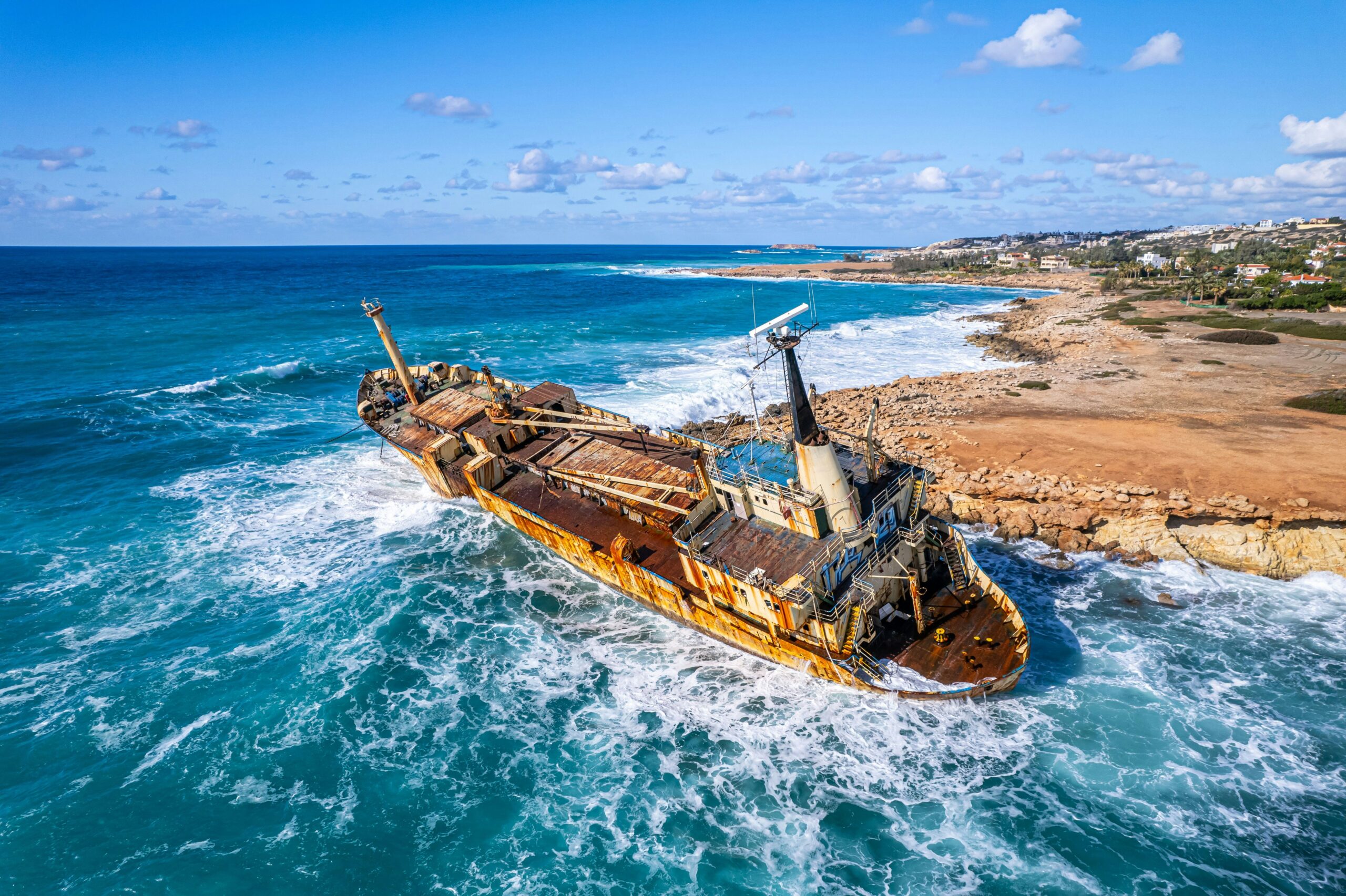
Marine construction in extreme environments is one of the hardest jobs in modern engineering. Builders must work on water that moves, freezes, rises, and falls. They also face strong winds, deep pressure, salt damage, and remote locations. Even with these challenges, marine construction makes ports, bridges, offshore platforms, and sea defenses possible.
This article explains how marine construction in extreme environments works, why it matters, and how engineers solve problems on the water using smart design and careful planning.
What Marine Construction Means
Marine construction is the building of structures in oceans, seas, rivers, and coastal areas. These structures include docks, piers, offshore wind farms, oil platforms, tunnels, and seawalls. When these projects take place in harsh weather or remote waters, they are called marine construction in extreme environments.
Extreme environments can mean freezing Arctic seas, deep ocean floors, hurricane zones, or fast moving rivers. Each location brings different risks that builders must manage.
Why Extreme Marine Projects Are Needed
Many important resources and transport routes are on the water. Coastal cities need protection from storms. Ships need safe ports. Energy companies need offshore wind and oil platforms. Undersea cables carry internet data across the world.
Marine construction in extreme environments allows these systems to exist. Without it, trade would slow, power supply would drop, and coastal areas would face greater danger.
Natural Challenges Engineers Must Face
Strong Water Movement
Water never stays still. Waves, tides, and currents push against structures every second. In extreme locations, wave force can be massive. Engineers must design foundations that stay firm while water moves around them.
They often use deep piles driven into the seabed. These piles anchor structures and help them resist motion.
Harsh Weather Conditions
Storms, high winds, and heavy rain are common in marine construction in extreme environments. In cold regions, ice can crush structures. In warm regions, hurricanes can cause huge damage.
To handle this, engineers study weather patterns before building begins. They plan construction schedules around calm seasons when possible.
Corrosion and Salt Damage
Saltwater causes metal to rust faster than fresh water. Over time, corrosion weakens structures and raises repair costs.
Engineers fight this by using special coatings, corrosion resistant steel, and concrete mixes designed for marine use. Regular inspection also helps catch damage early.
Building in Deep and Remote Locations
Deep Water Pressure
As depth increases, water pressure rises fast. This pressure affects materials, tools, and workers. Traditional construction methods do not work well at great depths.
Remote operated vehicles, called ROVs, are often used. These machines can work underwater for long periods and perform tasks like welding, cutting, and inspection.
Limited Access and Supply
Many extreme marine sites are far from land. Transporting workers, equipment, and materials takes time and money.
Engineers solve this by building modular parts on land. These parts are then shipped and assembled at sea. This reduces time spent working in dangerous conditions.
Innovative Materials and Design
Flexible Structural Design
Rigid structures break more easily under stress. In marine construction in extreme environments, flexibility is important. Engineers design structures that can bend slightly without failing.
Floating platforms are one example. They move with the waves instead of fighting them.
High Performance Concrete
Modern marine concrete is stronger and more durable than older mixes. It resists cracking, water penetration, and chemical damage.
This type of concrete helps structures last longer, even in rough water and extreme temperatures.
Safety for Workers on the Water
Worker Protection Measures
Marine construction is dangerous work. Crews face risks from falls, heavy machinery, and rough seas.
Safety plans include strong training programs, protective gear, and strict work rules. Weather monitoring helps teams stop work before conditions become unsafe.
Use of Automation
Automation reduces human risk. Drones inspect tall structures. ROVs handle underwater tasks. Sensors track movement and stress in real time.
These tools make marine construction in extreme environments safer and more accurate.
Environmental Responsibility
Protecting Marine Life
Construction can disturb sea animals and plants. Noise, debris, and sediment can harm ecosystems.
Engineers now plan projects to reduce impact. They use quieter equipment, limit construction time, and monitor water quality during work.
Sustainable Marine Projects
Many modern projects support clean energy. Offshore wind farms are a major example. These projects show how marine construction in extreme environments can support a greener future.
The Future of Marine Construction
Technology continues to improve how engineers build on water. Better materials, smarter sensors, and advanced machines make projects safer and faster.
As climate change increases sea levels and storms, marine construction in extreme environments will become even more important. Engineers will play a key role in protecting coastlines and supporting global infrastructure.
Final Thoughts
Marine construction in extreme environments is a blend of strength, planning, and innovation. Engineers must respect the power of water while finding ways to build within it. Through smart design, advanced tools, and careful safety planning, they turn some of the world’s toughest locations into working infrastructure.
Building on moving water is never easy, but it remains one of the most impressive achievements in modern engineering.