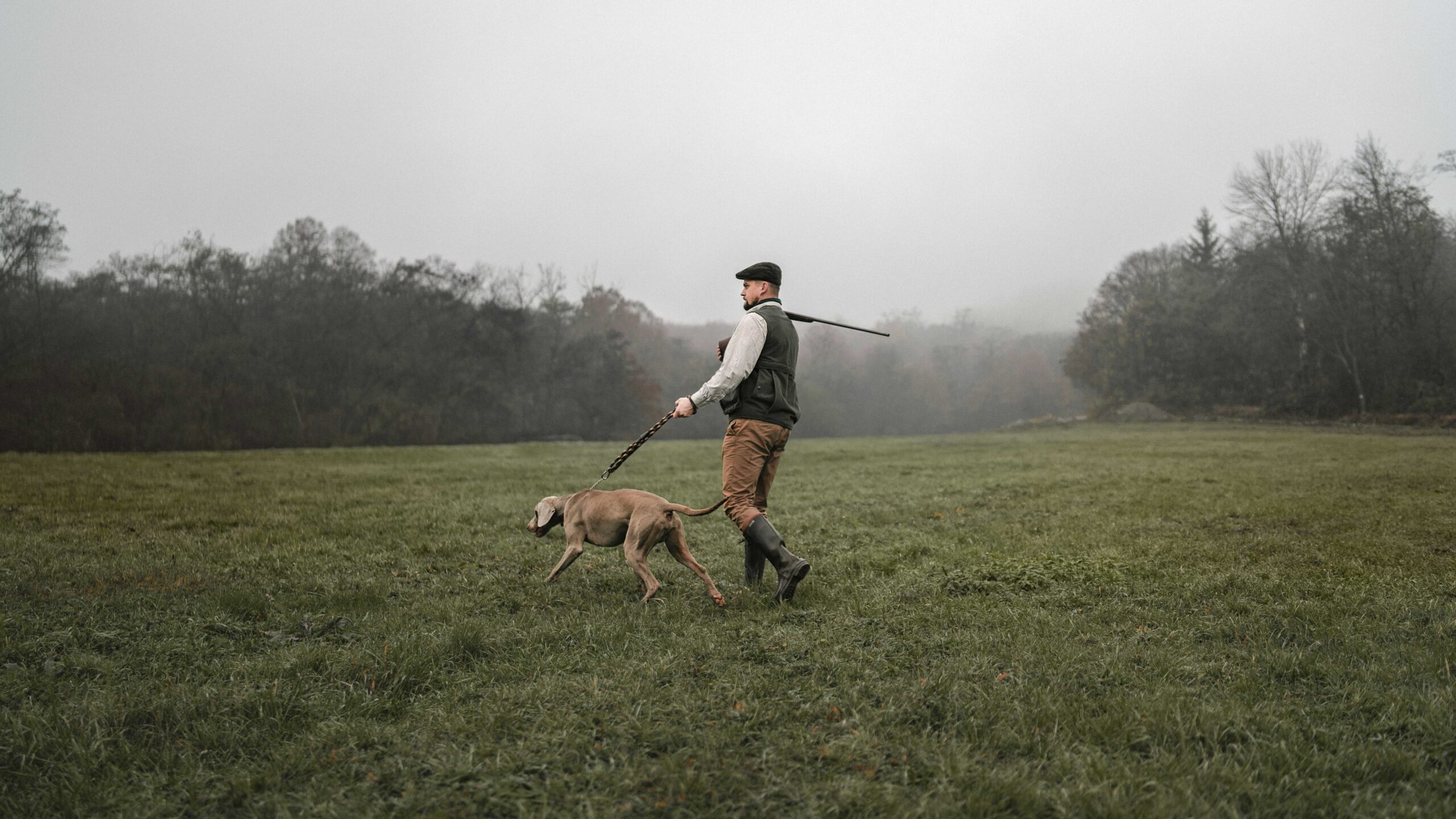
Hunting and fishing excursions offer exciting opportunities to explore nature, build practical skills, and enjoy the outdoors. However, the right equipment alone doesn’t guarantee a successful experience. Outdoor enthusiasts also need essential skills, proper preparation, patience, and knowledge of their surroundings. Whether exploring wooded trails or fishing along peaceful rivers, developing the right abilities can make every trip safer, more enjoyable, and more rewarding. Understanding these important skills helps beginners and experienced outdoor enthusiasts make the most of their adventures.
Understanding Outdoor Environments and Weather
Knowing how to read the natural environment is an important skill for successful hunting and fishing excursions. Weather conditions, terrain, water levels, and seasonal changes can influence outdoor activities in many ways. Recognizing these factors helps travelers make better decisions before and during their trips.
Hunters should understand animal habitats, migration patterns, and signs of wildlife activity. Observing tracks, vegetation, and natural surroundings can provide useful information about animal movement. Anglers should pay attention to water temperature, current speed, depth, and weather conditions because these factors influence fish behavior.
Checking weather forecasts before departure is equally important. Sudden rain, strong winds, and temperature changes can create unexpected challenges. Being aware of environmental conditions helps outdoor enthusiasts prepare and avoid unnecessary risks.
Developing Navigation and Direction Skills
Navigation is another valuable ability for anyone planning hunting and fishing adventures. Outdoor locations can include unfamiliar trails, thick forests, large lakes, and remote areas where mobile phone signals may be unreliable. Knowing how to find directions helps prevent confusion and improves personal safety.
Learning to use a compass, physical map, and GPS device can make traveling through unfamiliar environments easier. Understanding landmarks, trail markers, and geographical features also helps people recognize their surroundings.
Before beginning an excursion, travelers should study the destination and identify important locations, including access points and safe return routes. Sharing travel plans with someone at home adds an extra layer of safety. Good navigation skills allow outdoor enthusiasts to explore confidently without losing awareness of their location.
Improving Hunting Techniques and Wildlife Awareness
Successful hunting requires patience, concentration, and a strong understanding of wildlife behavior. Hunters must learn how animals move, feed, rest, and respond to environmental changes. This knowledge helps them make informed decisions while respecting natural habitats.
Practicing observation is especially useful. Recognizing animal tracks, listening for natural sounds, and identifying changes in vegetation can improve awareness in the field. Understanding wind direction is also important because certain animals can detect human scents from considerable distances.
Safety and ethical responsibility should always guide hunting activities. Hunters must follow local regulations, obtain appropriate licenses, carefully identify their targets, and understand how to operate their equipment safely. Regular practice with legal hunting equipment, under appropriate supervision, can also build confidence and control.
Learning Effective Fishing Skills and Techniques
Fishing success depends on understanding fish behavior and choosing appropriate techniques. Different fish species prefer different water temperatures, depths, habitats, and feeding conditions. Learning these preferences helps anglers select suitable fishing locations and equipment.
Basic fishing skills include casting accurately, tying reliable knots, selecting appropriate hooks, and handling fishing lines correctly. Beginners should practice these techniques in familiar locations before attempting more challenging environments.
Choosing the right bait or artificial lure is another important consideration. Some fish respond better to natural bait, while others are attracted to specific colors, movements, and presentations. Experienced anglers often adjust their techniques according to changing water conditions and fish activity.
Patience is essential because fishing does not always produce immediate results. Staying attentive and making thoughtful adjustments can improve the overall experience.
Practicing First Aid and Outdoor Safety
Outdoor adventures can involve unexpected situations, making basic first-aid knowledge extremely valuable. Minor cuts, insect bites, muscle injuries, and dehydration can occur during hunting and fishing trips. Knowing how to respond appropriately can help prevent small problems from becoming serious.
Carrying a well-stocked first-aid kit is an important part of preparation. Travelers should understand basic wound care, emergency communication, and the warning signs of heat exhaustion or hypothermia. Drinking enough water and wearing suitable clothing also support personal safety.
Hunters must follow established firearm safety practices, while anglers should handle hooks, knives, and other sharp equipment carefully. Everyone should understand emergency procedures and know when to seek professional assistance.
Building Patience, Focus, and Problem-Solving Abilities
Mental preparation is just as important as physical readiness. Hunting and fishing often require long periods of waiting, careful observation, and the ability to remain calm when conditions change.
Patience helps outdoor enthusiasts avoid rushed decisions. Focus allows them to notice important environmental details, while problem-solving skills help them respond to unexpected obstacles. Developing these qualities through regular practice can improve confidence and decision-making.
Preparing for Better Outdoor Experiences
Successful hunting and fishing excursions depend on combining practical knowledge with responsible outdoor habits. Understanding wildlife, improving fishing techniques, learning navigation, and practicing safety all contribute to more rewarding adventures. With consistent preparation and a willingness to learn, outdoor enthusiasts can develop valuable skills, enjoy nature responsibly, and create memorable experiences on every trip.