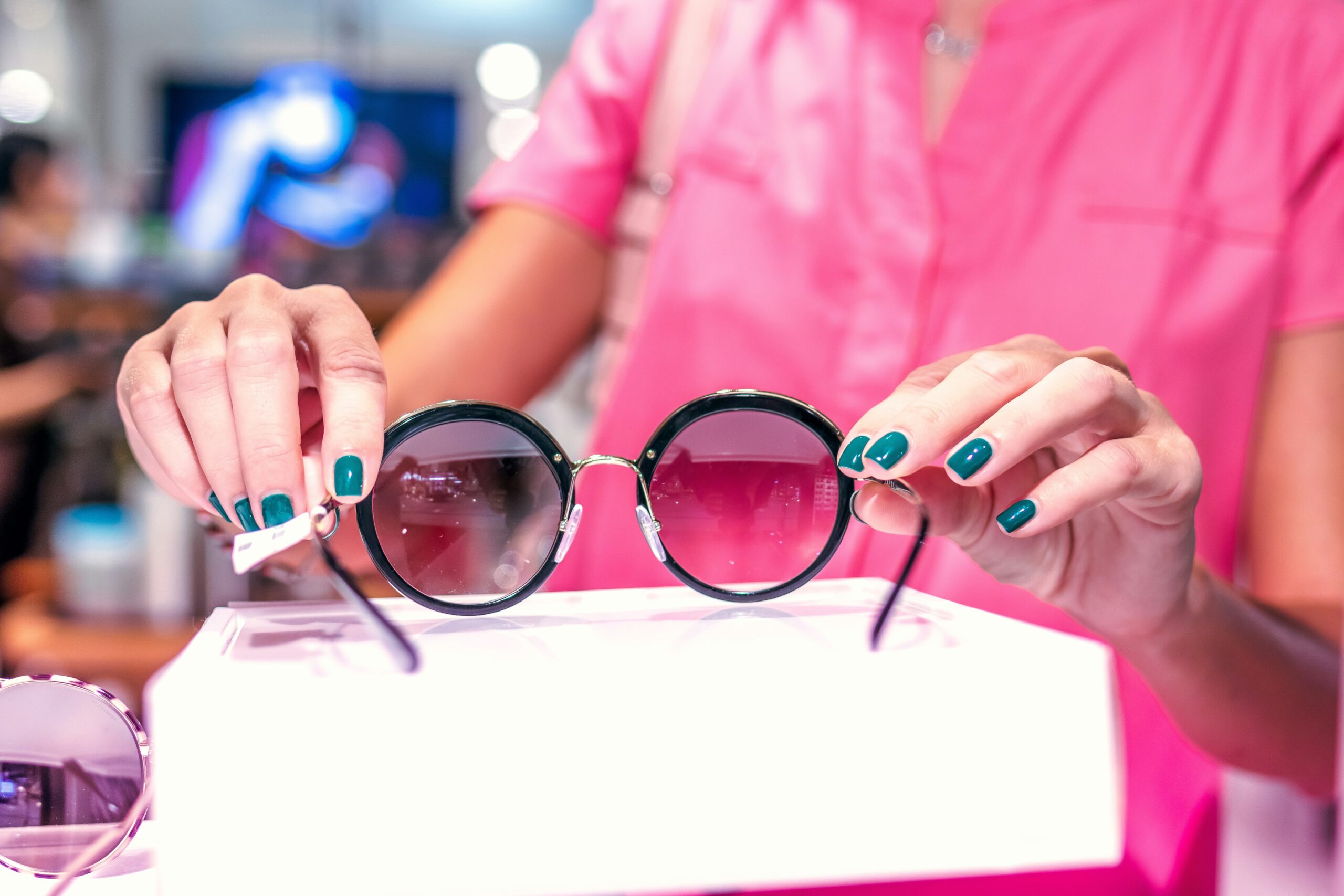
Eyewear has evolved far beyond a simple medical device; today, it serves as both a health tool and a fashion statement. As global demand for vision correction rises, companies continue to invest in design, comfort, and brand identity. Moreover, consumers now view glasses as part of their personal style, transforming the competitive landscape. Consequently, manufacturers focus on blending optical precision with aesthetic appeal.
At the same time, demographic changes and increased screen exposure have expanded the market for corrective lenses. Because more people experience digital eye strain, eye care providers emphasize proactive vision solutions. Therefore, the industry responds with products that address both functionality and lifestyle needs. In addition, retailers and brands adjust their strategies to meet expectations for convenience, customization, and accessibility.
Digital Technology and the Rise of Smart Eyewear
Technology has reshaped nearly every aspect of the eyewear business, and smart glasses are among the most visible innovations. Companies now integrate augmented reality features, audio systems, and connectivity tools directly into frames. As a result, eyewear increasingly merges with consumer electronics, creating new revenue streams and partnerships. Furthermore, tech firms collaborate with optical brands to accelerate product development.
Meanwhile, digital scanning and virtual try-on platforms enhance the purchasing experience. Because customers want confidence before buying, retailers use artificial intelligence to simulate frame fit and lens appearance. Consequently, online sales continue to grow while return rates decline. In addition, these technologies expand access for consumers in remote areas, thereby strengthening global market reach and improving customer satisfaction.
Advancements in Lens Materials and Optical Performance
Material science plays a critical role in shaping the future of eye care, and manufacturers constantly refine lens composition. For example, lightweight polymers and high-index materials improve comfort without sacrificing clarity. Therefore, wearers experience less pressure on the nose and ears while enjoying sharper vision. Moreover, coatings that reduce glare, block ultraviolet light, and resist scratches enhance durability and protection.
In addition, lens customization innovation enables precise correction for individual needs. Because digital tools measure eye structure and visual behavior more accurately, optometrists deliver highly personalized prescriptions. As a result, patients receive lenses tailored to their lifestyle, whether they work at a screen or spend time outdoors. Ultimately, this focus on performance strengthens trust between providers and consumers.
Sustainability and Ethical Production Practices
Sustainability has become a defining priority in the eyewear industry, and brands are increasingly adopting environmentally responsible practices. As consumers demand transparency, companies respond with recyclable materials and reduced packaging. Consequently, manufacturers explore bio-based plastics and eco-friendly production methods. Moreover, these efforts enhance brand reputation and attract environmentally conscious buyers.
At the same time, ethical sourcing influences supply chain decisions. Because global operations require raw materials from multiple regions, companies evaluate labor standards and environmental impact. Therefore, organizations implement stricter oversight and partner with responsible suppliers. In addition, sustainable initiatives often reduce long-term costs while supporting corporate social responsibility goals.
The Growth of Direct-to-Consumer Models
Retail innovation has transformed how customers purchase eyewear, and direct-to-consumer platforms continue to expand. Through online channels, brands eliminate traditional intermediaries and build stronger relationships with buyers. As a result, companies reduce overhead expenses while offering competitive pricing. Furthermore, digital marketing strategies allow precise targeting and personalized communication.
Meanwhile, brick-and-mortar stores adapt by enhancing in-store experiences. Because customers still value professional fittings and consultations, retailers are integrating technology into their physical locations. Consequently, hybrid models emerge that combine online convenience with expert guidance. In addition, subscription services and home try-on programs encourage repeat engagement and brand loyalty.
Data Analytics and Personalized Eye Care
Data analytics now influences product development, marketing, and patient care across the eyewear sector. By analyzing customer behavior, companies identify trends in frame preferences and lens usage. Therefore, designers create collections that reflect measurable demand rather than assumptions. Moreover, analytics improve inventory management and supply chain efficiency.
In addition, healthcare providers use digital records to monitor changes in vision over time. Because early detection improves outcomes, regular data tracking supports preventative eye care strategies. As a result, optometrists can recommend timely adjustments to prescriptions and treatments. Ultimately, integrating data strengthens both business performance and patient health.
Global Expansion and Emerging Markets
The eyewear industry continues to grow internationally, and emerging markets play an increasingly important role. As economic development improves access to healthcare, demand for vision correction rises in new regions. Consequently, companies expand distribution networks and invest in localized marketing strategies. Furthermore, partnerships with regional retailers accelerate market penetration.
At the same time, cultural preferences influence design and branding decisions. Because style expectations vary across regions, companies tailor frame shapes, colors, and materials accordingly. Therefore, global brands balance consistency with regional customization. In addition, international growth encourages collaboration between manufacturers, healthcare professionals, and technology providers.
The Future of Eye Care Integration
Eyewear is increasingly integrated into broader healthcare systems, reshaping industry priorities. As vision screening becomes more accessible, early diagnosis improves overall wellness outcomes. Consequently, eyewear companies collaborate with clinics, schools, and employers to promote preventive care. Moreover, these partnerships enhance public awareness of eye health.
Meanwhile, telehealth services expand access to professional consultations. Because remote communication tools allow virtual eye exams and follow-ups, patients benefit from convenience and efficiency. Therefore, technology bridges gaps between consumers and providers. In addition, integrated platforms streamline prescription management and product ordering, which strengthens continuity of care.
Innovation, Competition, and Brand Identity
Competition within the eyewear market drives continuous innovation, and brands differentiate themselves through design, technology, and service. As new entrants challenge established companies, organizations invest in research and development. Consequently, they refine optical precision while exploring creative frame aesthetics. Moreover, strong branding reinforces customer loyalty in a crowded marketplace.
At the same time, storytelling and community engagement shape brand identity. Because consumers seek authenticity, companies highlight craftsmanship, sustainability, and social responsibility. Therefore, marketing campaigns focus on values rather than only product features. In addition, collaborations with designers, athletes, and technology firms expand visibility and strengthen market positioning.
A Clear Vision for the Future
The eyewear business continues to evolve rapidly, and technology remains at the center of this transformation. As digital tools improve customization and accessibility, consumers gain more control over their visual health and personal style. Moreover, sustainability and ethical practices influence purchasing decisions across global markets. Consequently, companies must adapt to changing expectations while maintaining optical excellence.
Ultimately, the future of eye care will depend on the seamless integration of innovation, data, design, and healthcare collaboration. Because demand for vision solutions continues to grow, the industry will expand into new technologies and services. Therefore, organizations that embrace adaptability and customer-focused strategies will lead the next phase of development. As trends and technologies converge, the eyewear business will continue to shape how the world sees and experiences vision.