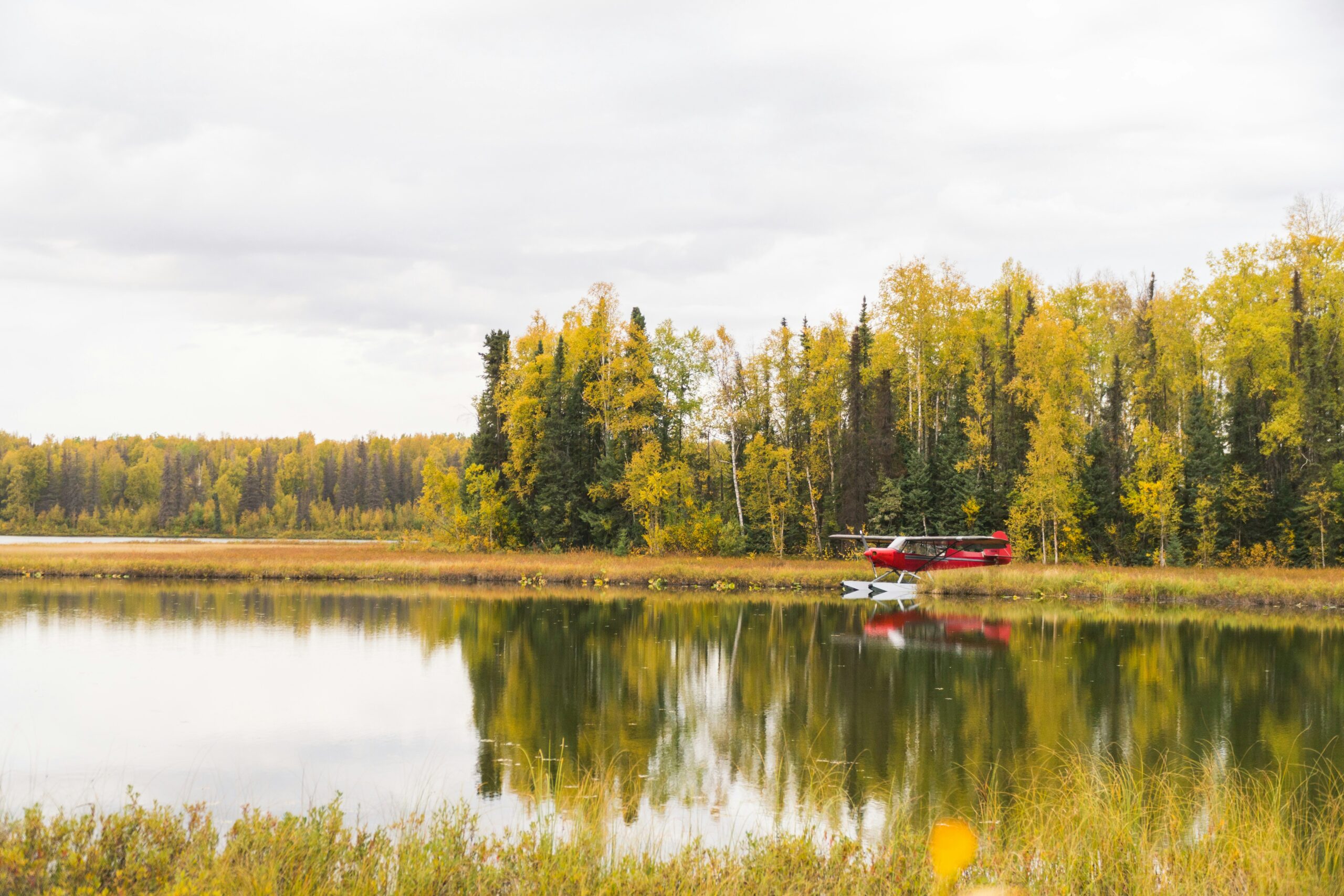
Flying for hunting and fishing has transformed the way outdoor enthusiasts reach remote destinations. Instead of spending long hours driving or hiking, hunters and anglers can access untouched wilderness in a fraction of the time. As a result, every trip becomes more productive and memorable. Flying also creates opportunities to explore locations that many people never experience. Consequently, it combines adventure, efficiency, and outdoor recreation into one unforgettable journey.
Why Flying for Hunting and Fishing Opens New Opportunities
Flying for hunting and fishing allows sportsmen to reach areas beyond traditional road systems. Many outstanding hunting grounds and fishing waters remain inaccessible by vehicle. Therefore, aircraft become valuable tools rather than luxury transportation.
Remote lakes, rivers, forests, and mountain valleys often hold healthier wildlife populations. These locations experience less pressure from regular visitors. As a result, hunters and anglers frequently enjoy better success while respecting sustainable wildlife management practices.
Additionally, reaching isolated destinations creates a stronger sense of exploration. Every flight offers breathtaking views before the outdoor adventure even begins. This combination of travel and recreation adds another layer of excitement to every expedition.
Accessing Remote Hunting Locations With Greater Efficiency
Many experienced hunters value time almost as much as opportunity. Long road trips often consume valuable hunting days. Flying eliminates much of that lost time while increasing access to productive terrain.
Remote hunting locations frequently support mature game populations because fewer people visit them. Elk, moose, deer, sheep, and other species often thrive in these environments. Therefore, hunters enjoy better chances while encountering less competition.
Moreover, flying enables flexible trip planning. Pilots can transport hunters close to their target areas while avoiding difficult overland travel. Consequently, participants spend more time hunting instead of simply reaching their destination.
Remote Fishing Trips Deliver Exceptional Experiences
Many of the world’s best fishing waters remain far from highways and developed communities. Remote fishing trips provide access to pristine rivers, untouched alpine lakes, and secluded coastal waters.
Fish populations often flourish where fishing pressure remains low. Anglers frequently encounter larger fish and healthier ecosystems in these isolated environments. Consequently, every cast carries greater anticipation.
Furthermore, peaceful surroundings improve the entire experience. Instead of crowded shorelines, anglers enjoy quiet waters filled with natural beauty. This atmosphere encourages patience, concentration, and appreciation for nature.
Aerial Access Creates Better Adventure Travel
Adventure travel continues growing because people seek authentic outdoor experiences. Flying supports this trend by making extraordinary destinations more accessible.
Aircraft connect travelers with wilderness areas that few visitors ever see. Therefore, each journey feels unique instead of routine. Hunters and anglers often remember the flight as vividly as the outdoor activities themselves.
Additionally, aerial views reveal landscapes from remarkable perspectives. Mountains, forests, wetlands, and rivers appear completely different from above. Consequently, travelers develop a deeper appreciation for the environments they explore.
Saving Time Means Spending More Hours Outdoors
Time remains one of every outdoor enthusiast’s most valuable resources. Driving several days into remote country reduces actual hunting or fishing time. Flying changes that equation dramatically.
Instead of exhausting travel schedules, visitors arrive ready for adventure. As a result, energy stays focused on outdoor activities rather than transportation. This efficiency becomes especially valuable during short vacation periods.
Moreover, flexible transportation supports better planning around seasonal conditions. Hunters can coordinate trips during peak migration or rut periods. Likewise, anglers can target optimal fishing seasons with greater precision.
Reaching Wilderness Areas With Greater Safety
Many wilderness destinations involve difficult terrain and unpredictable weather. Experienced aviation operators carefully plan flights while considering environmental conditions and safety procedures.
Professional bush pilots understand mountain flying, remote landings, and changing weather patterns. Therefore, they help reduce transportation risks while improving overall logistics. Reliable planning supports successful outdoor adventures.
Additionally, aircraft reduce exposure to certain overland hazards. Long hikes through rough terrain may present unnecessary risks before hunting even begins. Flying allows participants to conserve strength for the activities that matter most.
Wildlife Viewing Becomes Part of the Journey
Flying adds another dimension beyond hunting and fishing itself. Many travelers observe wildlife during the flight long before reaching camp.
Moose, bears, elk, mountain goats, and waterfowl often appear from the air. These sightings create unforgettable memories regardless of hunting success. Therefore, every journey delivers value even before outdoor activities begin.
Furthermore, aerial observation highlights habitat diversity. Rivers, forests, wetlands, and mountain ridges reveal how wildlife uses different ecosystems. This broader understanding helps sportsmen appreciate conservation efforts more deeply.
Better Planning Improves Hunting and Fishing Success
Successful outdoor adventures require thoughtful preparation. Flying supports better logistics because travelers can coordinate transportation with seasonal wildlife movements.
Hunters often schedule trips during breeding seasons or migration periods. Similarly, anglers plan around spawning cycles or seasonal feeding activity. Efficient transportation increases the likelihood of arriving during peak conditions.
Additionally, experienced outfitters frequently combine aviation with local expertise. Their knowledge of terrain, weather, and wildlife behavior enhances the entire experience. Therefore, preparation becomes as valuable as equipment.
Conservation Benefits of Responsible Wilderness Access
Responsible outdoor recreation depends on conservation. Flying supports conservation when operators follow environmental regulations and ethical wildlife practices.
Licensed outfitters and pilots typically work within established management systems. They respect hunting quotas, protected habitats, and seasonal restrictions. Consequently, wildlife populations remain healthier for future generations.
Moreover, many remote tourism operations support local conservation programs. Revenue often contributes to habitat management, research, and rural communities. Therefore, outdoor recreation creates economic incentives for environmental stewardship.
Ethical hunters and anglers also understand their responsibilities. They follow regulations, minimize environmental impacts, and respect local ecosystems. These actions preserve wilderness experiences for everyone.
Technology Continues Improving Outdoor Aviation
Modern aviation technology has improved safety, navigation, and operational efficiency. Advanced GPS systems help pilots navigate remote landscapes with greater confidence.
Weather forecasting tools also support better flight planning. Consequently, operators make informed decisions before every journey. These improvements increase reliability without reducing the spirit of adventure.
Additionally, lightweight aircraft continue expanding access to challenging destinations. Modern designs perform well on short runways, gravel bars, and remote landing strips. Therefore, outdoor enthusiasts reach remarkable places while maintaining high safety standards.
Why Flying for Hunting and Fishing Creates Lasting Memories
The excitement begins before arriving at camp. Watching mountains, rivers, forests, and lakes appear beneath the aircraft builds anticipation unlike any traditional road trip.
Once on the ground, remote landscapes provide opportunities that many outdoor enthusiasts only imagine. Quiet surroundings, healthy wildlife populations, and breathtaking scenery combine into remarkable experiences. Consequently, every successful trip becomes a story worth sharing.
Most importantly, flying for hunting and fishing connects people with nature in meaningful ways. It encourages exploration, supports conservation, and expands outdoor possibilities. Therefore, the journey becomes just as rewarding as the destination. Those unforgettable adventures often inspire lifelong respect for wildlife and wilderness while creating memories that endure for generations.