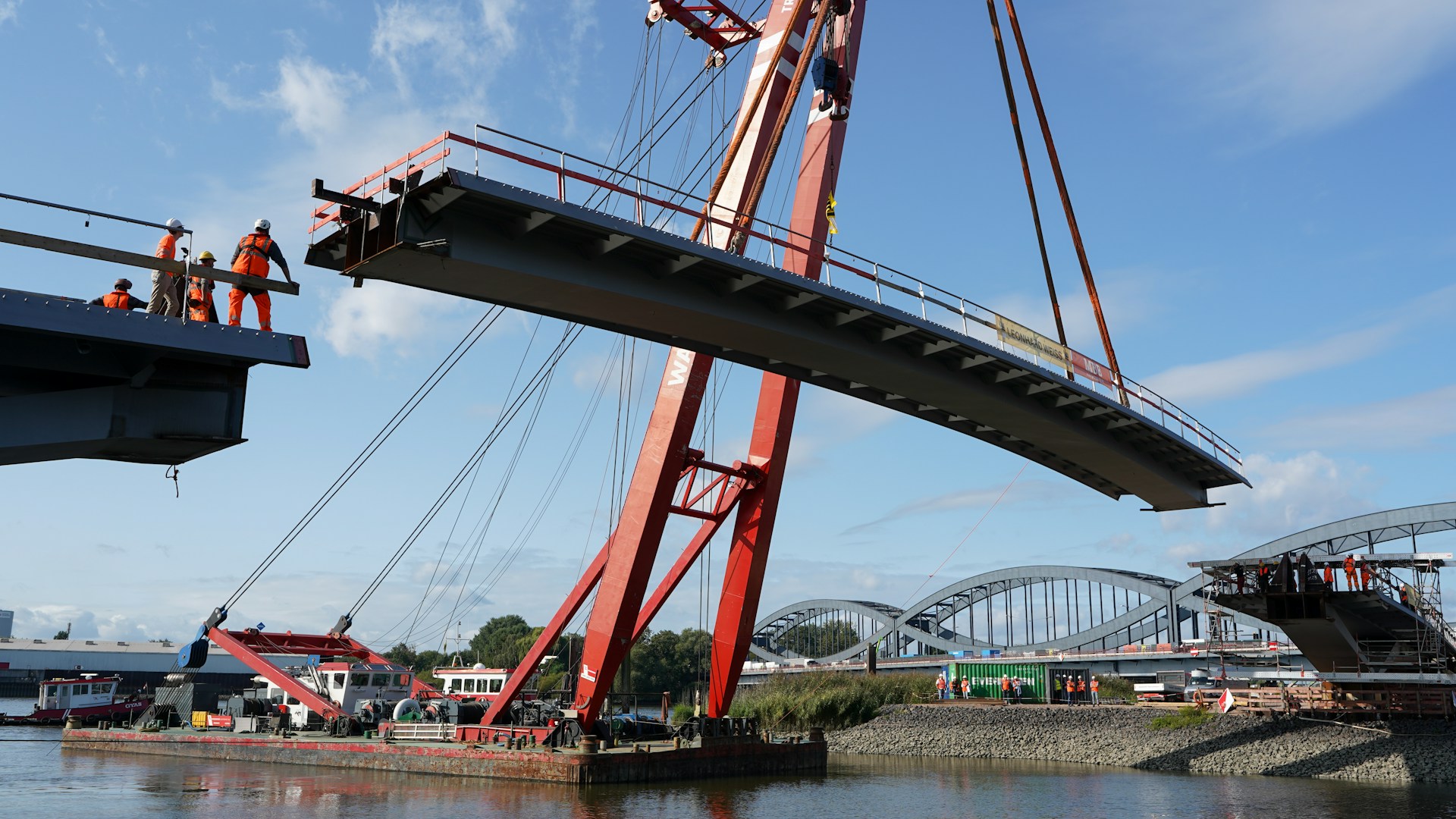
Military operations depend on more than firepower, speed, and technology. Combat engineers provide solutions that help forces move, survive, and maintain momentum. Their work shapes routes, defenses, crossings, and access points under battlefield conditions. Because combat engineering supports both mobility and protection, these specialists influence tactical choices. They combine technical knowledge with military judgment, often working in terrain and under enemy action that create obstacles.
Combat Engineering Creates Battlefield Mobility
Mobility gives commanders freedom to place forces where they create the greatest effect. However, damaged roads, blocked routes, trenches, and natural barriers can slow even capable units. Combat engineers assess these problems and develop ways around, over, or through them. Their battlefield mobility support can include clearing routes, improving roads, and preparing vehicle access. Maneuver units can maintain speed instead of losing valuable time to unexpected obstacles.
This contribution becomes important when an operation depends on timing. A delayed column may miss an opportunity or leave another unit without support. Engineers reduce that risk by studying terrain and identifying movement options before problems become critical. They also coordinate closely with commanders, logistics teams, and maneuver forces. That cooperation makes engineering work part of operational planning.
Overcoming Obstacles Under Pressure
Battlefields contain obstacles created by terrain, destruction, and deliberate defensive planning. Rivers, damaged bridges, rubble, barriers, and restricted routes can halt an advance. Combat engineers bring skills for obstacle breaching and route preparation in these environments. Instead of treating every barrier alike, they evaluate its purpose, location, and effect. Then they choose methods that support the mission while controlling unnecessary risk.
Breaching operations require discipline because movement through restricted areas can expose troops and equipment. Engineers must balance speed with careful assessment and coordination. Meanwhile, supporting units may provide security while engineers complete tasks. Clear communication matters because every team must understand routes, timing, and conditions. When this process works well, an obstacle becomes a manageable problem rather than a tactical advantage.
Building Protection for Fighting Forces
Combat engineering also strengthens battlefield protection. Engineers help prepare fighting positions, protective structures, barriers, and other field works that improve survivability. These measures give troops better options when they must hold ground or operate from exposed locations. Likewise, well-designed positions can reduce vulnerability while supporting observation, communication, and movement. Effective military engineering therefore contributes to a force’s ability to remain functional under pressure.
Protection is not simply about building stronger walls or deeper positions. Engineers consider terrain, available materials, operational needs, and likely threats before choosing a solution. For example, a position must protect personnel without preventing movement or limiting the unit’s mission. Engineers also consider how defensive works affect nearby routes and supporting forces. This broader view helps commanders create protection without sacrificing flexibility.
Supporting River Crossings and Critical Access
Water obstacles can create major operational challenges, especially when existing bridges are damaged or unavailable. Combat engineers help forces establish crossing options and restore essential access where conditions allow. Bridge construction and crossing support demand planning, technical skill, and close coordination with moving units. Engineers can influence how quickly personnel, vehicles, and supplies reach the next objective.
Access work also supports the larger sustainment network behind maneuver forces. A route that carries combat vehicles may later carry fuel, medical support, recovery assets, and supplies. Engineers help keep these connections usable as operational conditions change. In turn, commanders gain more reliable choices for moving resources across difficult terrain. This link between access and sustainment makes engineering support valuable far beyond the immediate crossing site.
Turning Terrain Into a Tactical Advantage
Terrain affects visibility, movement, protection, and the pace of military operations. Combat engineers study these factors through a practical problem-solving lens. They identify where ground conditions may restrict friendly forces or create opportunities for better positioning. As a result, commanders receive information that can improve route selection and force placement. Engineering judgment helps translate physical terrain into useful operational choices.
The same expertise can support defensive planning. Engineers understand how obstacles and terrain features can shape movement across an area. However, effective planning requires more than placing barriers in convenient locations. Defensive measures must support the commander’s intent and remain connected with observation, security, and maneuver. When properly integrated, terrain becomes part of the force’s overall tactical design.
Why Combat Engineers Matter to Mission Success
Combat engineers add value by connecting technical solutions with battlefield priorities. They do not operate as isolated construction specialists. Instead, they support mobility, survivability, access, and operational continuity across changing conditions. Their decisions can help units maintain tempo when terrain or damaged infrastructure threatens progress. Just as importantly, their work gives commanders more practical options during uncertain situations.
Modern battlefields will continue to demand adaptable engineering support. Technology may improve mapping, equipment, and planning, yet physical obstacles will remain important. Combat engineers bring human judgment to those challenges while working alongside many military specialties. Their impact is often visible in a cleared route, protected position, or restored crossing. Ultimately, combat engineering shapes success by helping forces move confidently, endure pressure, and turn difficult ground into opportunity.