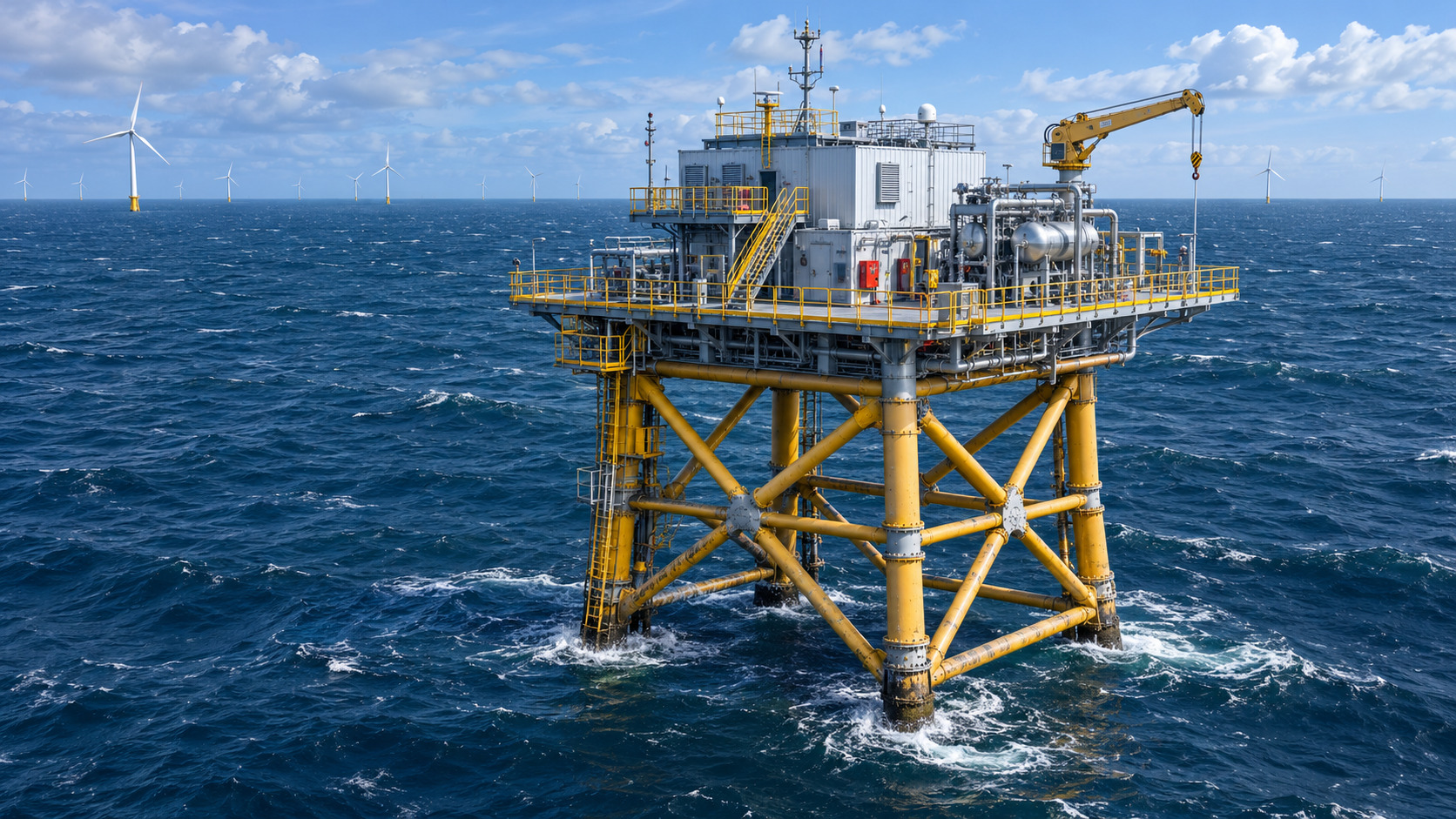
Offshore structures face a demanding test every day. Waves push against their supports, wind loads their exposed surfaces, and saltwater attacks vulnerable materials. Over time, these forces can weaken connections and affect performance. Therefore, marine engineers must design for both sudden storms and the smaller stresses that repeat throughout a structure’s working life.
Building resilient offshore structures requires more than choosing thick steel or deep foundations. Engineers need to understand the site, predict structural behavior, guide construction, and plan future inspections. Whether the project involves an offshore platform, a wind turbine foundation, or a floating facility, resilience begins with decisions made long before installation.
Studying the Site Before Choosing a Design
The first step involves understanding the offshore location. Engineers gather information about water depth, seabed shape, soil layers, and environmental conditions. They also study nearby facilities and access routes. As a result, the project team can identify constraints before committing to a structural concept or installation method.
Local conditions matter because a successful design at one site may perform poorly at another. Soft soil can affect foundation movement, while an exposed location may face demanding storm loads. Therefore, engineers use site findings to compare options and establish the project’s design requirements. DNV’s offshore design guidance includes site assessment, geotechnical analysis, foundation selection, and design review as connected parts of this process.
Turning Ocean Conditions Into Design Loads
Once engineers understand the site, they estimate the forces the structure must resist. These include its own weight, equipment loads, wind, waves, and currents. In some regions, ice also matters. However, engineers cannot simply add every possible maximum together. They must assess relevant combinations and consider how likely different conditions are to occur at the same time.
The direction and timing of these forces also affect performance. For example, waves approaching from different angles may place different demands on the supports. Engineers therefore examine several environmental scenarios rather than rely on a single storm estimate. DNV’s guidance on environmental loads addresses wind, waves, currents, and ice as inputs to the assessment of marine structures.
Defining What Resilience Means Offshore
A resilient offshore structure can withstand its intended operating conditions, limit damage during severe events, and support safe recovery afterward. However, resilience does not mean that damage is impossible. Instead, engineers identify likely hazards and decide how the structure should respond. This includes protecting essential systems and making important components accessible for inspection or repair.
In practice, this work connects several disciplines. Structural engineers, marine specialists, soil experts, fabricators, and installation crews each contribute different knowledge. Readers interested in the construction side can explore Cody Fortier’s marine construction experience, which describes work involving offshore platforms and marine piling. Clear coordination between design and construction helps turn engineering plans into structures that crews can build and maintain.
Choosing Between Fixed and Floating Structures
A major design decision concerns how the structure connects to the seabed. Fixed structures transfer loads through foundations or supports that rest on or extend into the ground. Depending on the project, these may include large piles, braced steel frames, or gravity-based foundations. Their suitability depends on water depth, soil conditions, structural loads, and installation needs.
Floating structures offer another approach, especially where fixed supports become impractical. They rely on buoyancy, while mooring lines and anchors help maintain position. However, floating systems introduce movement that engineers must accommodate. The U.S. Department of Energy identifies both fixed and floating foundations as important offshore wind options because suitable solutions vary with water depth and other site conditions.
Designing for Movement and Repeated Stress
Offshore structures move under load, even when that movement is difficult to see. Fixed supports bend, while floating platforms can rise, tilt, and shift. Consequently, engineers must examine how the structure responds over time. A design that carries a steady load successfully may behave differently when waves repeatedly change the force and direction.
Repeated loading can also cause fatigue, which allows cracks to develop and grow over many cycles. Welded joints and other areas where stress concentrates need particular attention. Therefore, fatigue assessment considers the expected loading history, connection details, and planned service life. DNV publishes dedicated methods for assessing fatigue in offshore steel structures, while ABS guidance also considers how critical a detail is and how difficult it will be to inspect.
Matching Materials and Protection to Marine Exposure
Material choices must reflect where each component sits and how it will operate. A submerged steel member faces different exposure from equipment above the waterline. Meanwhile, areas that experience repeated wetting and drying can present difficult corrosion conditions. Engineers therefore consider exposure zones rather than apply one protection method to every surface.
Depending on the structure, protection may include suitable coatings, corrosion allowances, and cathodic protection for submerged metal. Cathodic protection uses an electrochemical system to reduce corrosion. However, these measures need compatible design, careful installation, and ongoing checks. Guidance on waterfront corrosion emphasizes coordination across structural, materials, electrical, and maintenance disciplines. Protection works best when engineers plan it as part of the structure rather than add it at the end.
Testing How the Whole System Behaves
Engineers use computer models to study how offshore structures respond to environmental forces. These models can reveal highly stressed areas, excessive movement, or interactions between components. However, results depend on the quality of the input data and assumptions. A detailed model cannot compensate for an inaccurate description of the site or structural connections.
For complex projects, physical testing can help check the predictions. Wave basin tests use scaled models to study behavior under controlled conditions. In floating wind projects, engineers may assess the connected response of the turbine, platform, and mooring system. DNV’s guidance describes ocean basin testing as a way to calibrate and validate numerical models, helping teams build confidence before full-scale construction.
Maintaining Quality During Fabrication
A sound design still depends on accurate fabrication. Steel grades, component dimensions, weld quality, and protective coatings must match project requirements. Otherwise, a small production defect may create a weak point in an important connection. Therefore, quality planning should identify what inspectors must check and when they must complete each check.
Fabrication records also help future maintenance teams understand the finished structure. Material certificates, inspection results, and approved changes provide a useful history of how crews built each component. Moreover, independent review can connect design requirements with manufacturing and installation checks. DNV describes offshore verification as a process that can extend from document review through fabrication, installation, commissioning, and operation.
Engineering the Journey From Shore to Sea
An offshore structure must survive transport and installation before it can begin service. During a lift or sea voyage, components may experience forces that differ from those in their final position. For example, temporary supports can concentrate loads in areas that normally receive support elsewhere. Consequently, engineers must assess these temporary stages separately.
Transport planning includes vessel selection, cargo supports, securing arrangements, route conditions, and vessel movement. Installation planning adds lifting points, rigging, positioning, and the order of assembly. DNV’s marine operations guidance specifically addresses load-out, voyages, construction afloat, and installation. This makes the journey offshore part of the engineering task, with its own checks and acceptance criteria.
Planning Safe Installation and Environmental Protection
Installation methods must suit both the design and the offshore setting. Crews need clear limits for weather, vessel movement, and equipment operation. In addition, the plan should explain how teams will pause, secure, or abandon an activity if conditions change. Preparing these decisions in advance helps avoid rushed judgment during a difficult operation.
Environmental considerations can also influence foundation and installation choices. For example, pile installation may generate underwater noise, while floating structures require dependable mooring systems. The Department of Energy has supported work on reducing installation noise and improving mooring reliability. These efforts show how engineers can address structural performance and environmental effects together while comparing project options.
Building Inspection and Repair Into the Design
Resilience continues after installation. Engineers should identify which components need regular inspection and provide practical ways to reach them. A connection that is easy to inspect in a fabrication yard may be difficult to examine underwater. Therefore, access, visibility, equipment needs, and repair methods deserve attention while the design remains flexible.
Inspection planning should also reflect risk. Components with serious failure consequences or a greater likelihood of damage may need closer attention than less critical areas. Fatigue inspection guidance from DNV supports using risk and probability to plan checks for offshore cracks. However, a useful inspection program must lead to decisions, such as further assessment, repair, operating limits, or continued monitoring.
Reviewing Performance Throughout the Service Life
Offshore facilities can change as owners add equipment, alter operations, or seek a longer working life. Meanwhile, inspection findings may reveal corrosion, damage, or movement that the original design did not fully anticipate. As a result, engineers need to review whether the structure still meets its performance goals under its actual condition and use.
Life extension requires more than confirming that a facility remains standing. Engineers must consider updated loads, material condition, fatigue history, foundations, and any planned modifications. DNV’s offshore verification approach includes structural reassessment and life extension evaluation. Maintaining reliable records throughout operation helps make these later reviews more informed and supports decisions about repair, continued service, or retirement.