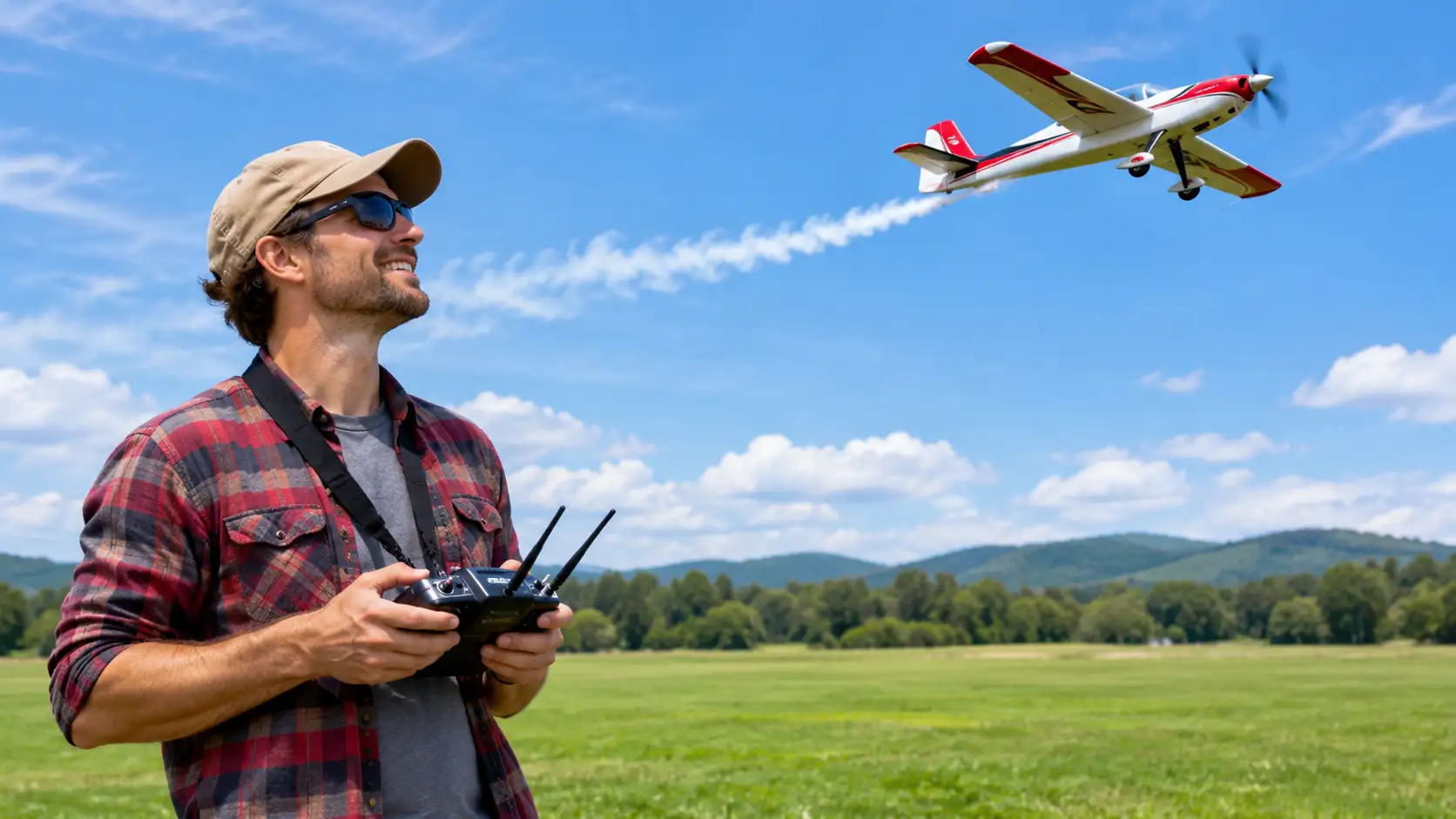
Remote-controlled airplanes offer a special kind of excitement that combines skill, patience, and pure enjoyment. For many people, the hobby is more than a way to pass the time. It is a hands-on activity that brings together engineering, focus, and the thrill of flight. From the first takeoff to the smooth landing, every moment offers a sense of control and discovery that is hard to match.
For enthusiasts who enjoy practical hobbies and outdoor adventure, remote-control airplanes create a rewarding experience. They let hobbyists learn how aircraft respond to wind, speed, balance, and movement while giving them the chance to improve with every flight. In many ways, the hobby teaches discipline just as much as it delivers fun.
Why Remote-Control Airplanes Appeal to So Many People
One reason remote-control airplanes continue to attract people of different ages is the variety within the hobby. Some enjoy building planes from kits, while others prefer ready-to-fly models. Some focus on casual flying at local fields, while others explore advanced aerobatics and precision control. This flexibility makes the hobby accessible to beginners and experienced pilots alike.
Learning to fly also brings a strong sense of accomplishment. New pilots often begin with simple trainer aircraft and gradually build confidence. As skill grows, so does the ability to handle more complex designs and flying conditions. This steady progress keeps the hobby engaging over time and gives enthusiasts clear goals to work toward.
The Excitement of Flight
Flying a remote-control airplane brings a real sense of freedom. Watching a model aircraft lift into the air and respond to commands can feel surprisingly immersive. The pilot must stay alert, make quick decisions, and adjust to changing conditions such as wind direction or speed. That active involvement is part of what makes the experience so exciting.
Unlike many hobbies that stay in one place, remote-control flying takes place in open spaces where the environment becomes part of the activity. Wide fields, clear skies, and steady weather all add to the appeal. Each session feels a little different, which keeps the experience fresh and enjoyable.
A Hobby That Builds Skills
Remote-control airplanes are not only entertaining. They also help develop practical skills. Pilots improve hand-eye coordination, concentration, and patience. Building or maintaining aircraft can also strengthen problem-solving ability and attention to detail. Understanding how balance, battery performance, and control surfaces affect flight helps hobbyists become more thoughtful and capable operators.
Many hobbyists also gain a better appreciation for aviation itself. The basics of lift, drag, thrust, and stability become much easier to understand when they can be seen in action. What begins as a fun hobby often grows into a deeper interest in how airplanes work and how flight is managed.
The Social Side of the Hobby
Another major benefit of remote-control airplanes is the community around them. Local clubs and flying groups often welcome new members and provide support for beginners. Experienced pilots share advice on equipment, safety, and technique, helping new hobbyists learn faster and avoid common mistakes.
This social aspect gives the hobby lasting value. People meet others with shared interests, attend local events, and learn from one another in a supportive environment. The friendships built through this hobby can become just as meaningful as the flying itself.
Safety and Responsibility Matter
As exciting as remote-control airplanes can be, safe flying is essential. Pilots need enough open space, a well-maintained aircraft, and a clear understanding of local rules. A responsible hobbyist checks equipment before takeoff, respects weather conditions, and stays aware of nearby people, animals, and property.
Safe operation protects both the pilot and the public. It also helps preserve the hobby’s reputation. People who fly with care and discipline strengthen the community and improve the experience for everyone involved.
Why the Hobby Continues to Grow
Remote-control aviation has remained popular because it offers something that many hobbies do not: a direct mix of technology, outdoor activity, and personal challenge. It is creative, technical, and exciting at the same time. Whether someone enjoys flying for relaxation, competition, or curiosity, the hobby offers long-term value.
For readers who want to learn more about Cody Fortier’s background and professional profile, visit his Muck Rack profile. It offers another useful look at his broader interests and public presence.
Final Thoughts
Remote-control airplanes capture the imagination in a simple but powerful way. They allow people to step outside, focus their attention, and experience the joy of controlled flight. The hobby teaches patience, builds practical skills, and creates room for both personal growth and enjoyment.
Wings of freedom can mean many things, but in the world of remote-control airplanes, they represent learning, adventure, and the thrill of taking something small and sending it confidently into the sky.