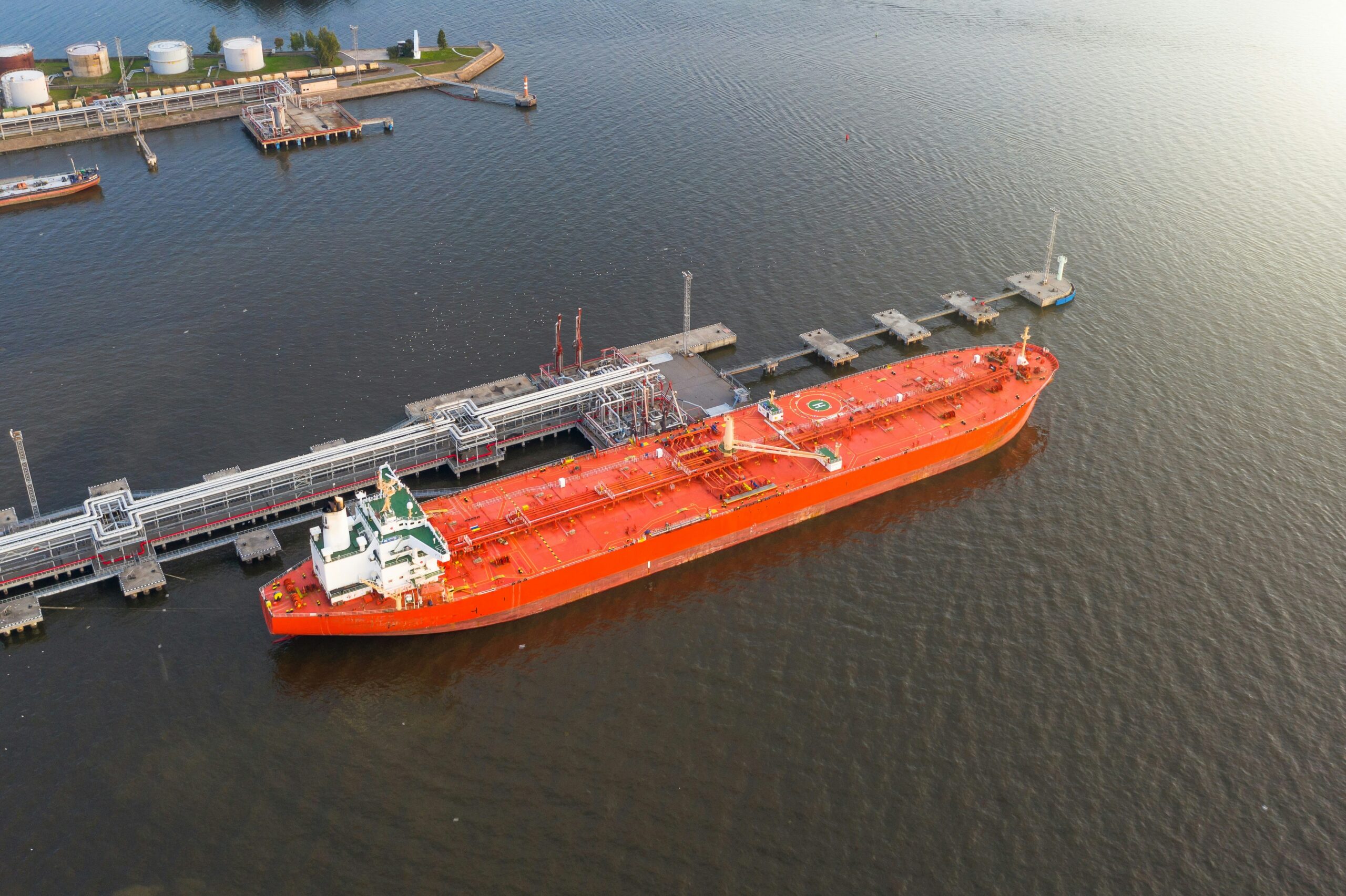
Marine construction plays an important role in developing modern infrastructure across oceans, rivers, lakes, and coastal areas. From bridges and ports to offshore platforms and floating structures, building on water requires advanced engineering, careful planning, and specialized equipment. Unlike traditional land-based projects, marine construction faces unique challenges such as changing water levels, powerful waves, unstable seabeds, and harsh weather conditions. However, modern marine engineering solutions are making these projects safer, more efficient, and environmentally responsible. As technology continues to improve, construction companies are discovering innovative ways to build durable structures while protecting marine ecosystems.
Understanding Marine Construction and Its Importance
Marine construction refers to the process of building, repairing, and maintaining structures in or near water. These projects include docks, piers, harbors, bridges, seawalls, underwater pipelines, offshore energy facilities, and coastal protection systems. Each project requires specialized construction methods because water environments behave differently from solid ground.
Marine infrastructure supports international trade, transportation, tourism, fishing, and renewable energy production. For example, commercial ports allow ships to transport goods between countries, while marine bridges connect communities separated by waterways. Coastal protection structures also help reduce damage caused by erosion and flooding. Therefore, marine construction contributes significantly to economic development and public safety.
Major Challenges in Marine Construction Projects
Constructing structures in water involves several technical and environmental difficulties. One of the biggest challenges is dealing with unpredictable weather conditions. Strong winds, ocean currents, storms, and changing tides can delay construction activities and create dangerous working environments. Engineers must carefully evaluate weather patterns and water conditions before beginning any major project.
Another important challenge involves unstable underwater soil conditions. Unlike solid ground, seabeds may contain loose sand, soft clay, or uneven rock formations. These conditions make foundation installation more complicated. Construction teams often use deep piles, specialized drilling equipment, and reinforced foundations to support heavy structures.
Material deterioration is also a serious concern. Saltwater exposure can cause corrosion in steel components and damage reinforced concrete over time. Without proper protection, marine structures may require frequent repairs and expensive maintenance. As a result, engineers must select durable materials and effective protective systems to extend structural lifespans.
Advanced Technologies Transforming Marine Construction
Technological innovation has significantly improved the way marine construction projects are designed and completed. Modern underwater construction techniques now allow engineers to perform complex tasks with greater accuracy and reduced risk. For instance, remotely operated underwater vehicles can inspect submerged structures, identify damage, and collect valuable information without placing divers in dangerous conditions.
Advanced surveying systems also help construction teams understand underwater environments. Sonar mapping, GPS positioning, and digital modeling technologies provide detailed information about seabed conditions and underwater obstacles. This information allows engineers to prepare accurate construction plans and avoid unexpected difficulties.
Additionally, automated equipment and digital monitoring systems are improving project efficiency. By using sensors and real-time data, construction managers can monitor equipment performance, structural movement, and environmental conditions. These tools help reduce unnecessary delays and improve decision-making throughout the construction process.
Innovative Foundation Systems for Underwater Structures
Building strong foundations underwater is essential for maintaining the stability and safety of marine structures. Traditional foundation methods can be difficult to apply in deep water or areas with unstable soil. Therefore, engineers use specialized systems designed to withstand heavy loads and continuous water movement.
Pile foundations are widely used in marine construction because they transfer structural weight into deeper, stronger soil or rock layers. Steel and concrete piles can support bridges, docks, offshore platforms, and other heavy structures. Caisson foundations provide another practical solution, especially for large bridge supports and waterfront structures.
Modern construction equipment allows engineers to install these foundation systems with greater precision. Improved drilling methods, underwater concrete placement, and advanced soil testing help ensure reliable structural performance. These developments reduce foundation-related risks and support the construction of larger and more complex marine projects.
Sustainable Materials and Environmentally Friendly Construction
Environmental sustainability is becoming increasingly important in marine construction. Traditional construction activities can disturb aquatic habitats, increase underwater noise, and affect water quality. Consequently, construction companies are adopting methods that reduce environmental damage while maintaining structural strength.
One important development involves the use of more sustainable building materials. Low-carbon concrete, recycled aggregates, and corrosion-resistant components can help reduce environmental impacts when selected and tested appropriately. Durable materials also decrease the need for frequent repairs, which can reduce long-term resource consumption.
Construction teams are also using environmental protection measures to limit disruption during projects. Sediment barriers, controlled dredging techniques, and underwater noise-reduction systems help protect sensitive marine habitats. Careful waste management and pollution prevention practices further support healthier waterways.
By combining sustainable materials with responsible construction methods, marine engineering companies can create infrastructure that meets human needs while reducing harm to surrounding ecosystems.
Floating Structures and Modern Waterfront Development
Floating construction is an emerging approach that offers new opportunities for waterfront development. Instead of building every structure on fixed foundations, engineers can design platforms that float on the water’s surface. These structures are especially useful in areas with deep water, limited available land, or changing water levels.
Floating docks, temporary work platforms, and marine research facilities are common examples of this technology. More advanced applications include floating solar farms, offshore wind energy platforms, and proposed floating residential developments.
Floating offshore wind systems are particularly valuable in locations where traditional fixed-bottom turbines are difficult to install. These structures use anchoring systems and mooring lines to remain in position while responding to water movement.
However, floating structures require careful engineering to maintain stability and withstand storms, waves, and strong currents. Improved materials, monitoring systems, and structural designs are helping engineers address these challenges.
Improving Worker Safety in Marine Construction
Worker safety is one of the most important considerations in marine construction. Employees often operate heavy machinery near deep water while facing slippery surfaces, unpredictable weather, and moving equipment. Underwater operations create additional risks that require specialized training and careful supervision.
Modern safety programs focus on preventing accidents through detailed planning and regular risk assessments. Workers must use appropriate protective equipment, including flotation devices, safety harnesses, helmets, and communication systems. Emergency rescue procedures should also be established before construction activities begin.
Technology is helping reduce dangerous working conditions. Underwater robots can perform inspections in hazardous locations, while remote-controlled equipment allows operators to complete certain tasks from safer positions.
Digital monitoring systems also provide early warnings about changing environmental conditions. By combining trained personnel, effective safety procedures, and advanced equipment, marine construction companies can create safer workplaces and reduce project disruptions.
Managing Costs and Improving Project Efficiency
Marine construction projects often involve significant financial investment because they require specialized vessels, advanced machinery, skilled labor, and complex engineering designs. Unexpected weather conditions, equipment problems, and underwater obstacles can also increase project expenses.
Effective planning helps control these costs. Before construction begins, project managers should conduct detailed site investigations and prepare realistic budgets. Understanding seabed conditions, water depths, and environmental requirements can help prevent expensive design changes.
Prefabrication is another useful method for improving efficiency. Instead of assembling every component directly over water, construction teams can manufacture sections in controlled facilities and transport them to the project site.
This approach may reduce installation time, improve material quality, and limit exposure to difficult marine conditions. However, transporting and positioning large prefabricated components still requires careful coordination.
Considering long-term maintenance expenses is equally important. Durable materials and accessible structural designs may cost more initially but can provide substantial savings throughout a structure’s service life.
The Role of Digital Engineering in Marine Infrastructure
Digital engineering is changing how marine structures are planned, constructed, and maintained. Building Information Modeling allows engineers to develop detailed digital representations of projects before physical construction begins. These models help different teams coordinate their work and identify design problems early.
Digital twin technology offers additional advantages by connecting physical structures with virtual models. Sensors installed on bridges, offshore platforms, and other marine structures collect information about movement, vibration, and environmental conditions.
Engineers can analyze this information to evaluate structural performance and identify maintenance requirements. Predictive maintenance systems may also help prevent unexpected failures by detecting early signs of damage.
As digital technology becomes more accessible, marine infrastructure projects can benefit from improved accuracy, better communication, and more efficient asset management.
Future Trends in Marine Construction and Coastal Engineering
The future of marine construction will focus on climate resilience, technological innovation, and environmental responsibility. Rising sea levels and changing coastal conditions are increasing the need for stronger waterfront infrastructure. Engineers must develop structures that can handle flooding, erosion, powerful storms, and long-term environmental changes.
Artificial intelligence, automation, and advanced robotics are expected to support future construction activities. These technologies may improve underwater inspections, project scheduling, equipment monitoring, and structural maintenance.
Renewable energy development will also create new opportunities for marine construction. Offshore wind farms, floating solar installations, and other ocean-based energy systems require specialized foundations, platforms, and supporting infrastructure.
At the same time, sustainable coastal engineering will become increasingly important as communities search for ways to protect shorelines without causing unnecessary environmental damage.
By combining innovation with responsible engineering, the industry can develop marine infrastructure that is safer, more adaptable, and better prepared for future challenges.
Marine construction is essential for developing transportation networks, offshore energy facilities, coastal protection systems, and modern waterfront communities. Although building on water presents significant challenges, improvements in engineering methods and technology are making complex projects more manageable.
From underwater robotics and advanced foundations to floating platforms and sustainable materials, innovative coastal infrastructure solutions are transforming the industry. These developments help engineers improve construction efficiency, protect workers, and reduce environmental impacts.
As demand for resilient infrastructure continues to grow, marine construction will remain an important part of global development. With proper planning, modern technology, and environmentally responsible practices, the industry can build stronger structures that support communities and protect valuable marine environments for future generations.