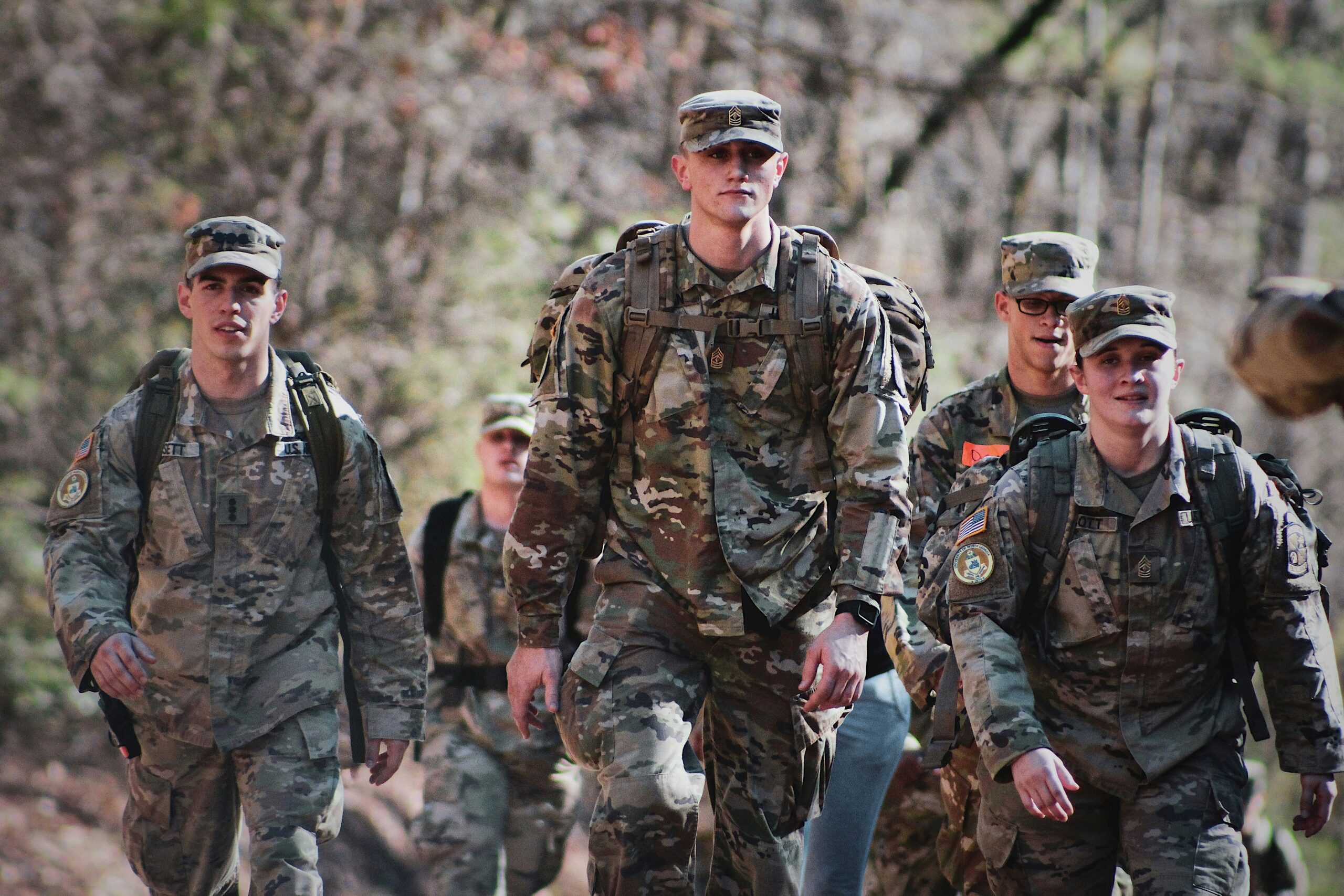
Effective leadership requires more than giving instructions and managing responsibilities. Military commanders develop essential skills through demanding situations that test their judgment, courage, and ability to guide others. Similarly, business leaders face uncertainty, competition, financial pressure, and organizational challenges. Although these environments have different goals, military leadership offers valuable principles that can improve business performance.
Moreover, military commanders understand that successful missions depend on preparation, teamwork, discipline, and accountability. Business leaders can apply these lessons to strengthen workplace relationships, improve decision-making, and establish long-term strategies. By learning from military leadership practices, organizations can develop stronger teams and create a culture that supports consistent growth.
Establish a Leadership Mindset Built on Purpose
Military commanders understand the importance of having a clear purpose before beginning any operation. Every team member needs to recognize the mission and their contribution to its success. Likewise, business leaders should establish meaningful objectives that connect individual responsibilities with organizational goals.
Purpose-driven leadership also boosts motivation and encourages employees to take ownership of their work. When people understand why their contributions matter, they often demonstrate greater commitment. Therefore, business leaders should regularly explain company priorities, reinforce shared values, and ensure that everyone works toward the same objectives.
Strengthen Decision-Making Through Strategic Thinking
Military leadership demands careful planning, strategic thinking, sound judgment, and the ability to assess challenging situations. Commanders analyze available information, identify possible obstacles, and develop practical strategies. Similarly, business executives must consider market conditions, operational resources, customer expectations, and competitive threats before making important decisions.
However, strategic thinking requires flexibility alongside preparation. Unexpected developments can quickly change the direction of a military operation or business project. Consequently, effective leaders should prepare alternative approaches and review their decisions when new information becomes available. This balanced mindset helps organizations respond to challenges without losing sight of their long-term goals.
Develop Discipline That Encourages Consistent Performance
Discipline plays an important role in military success because it creates structure, reliability, and professional standards. Commanders understand that consistent performance depends on preparation and responsible behavior. Likewise, businesses benefit when leaders establish clear expectations and demonstrate commitment through their own actions.
Workplace discipline should also encourage productivity, not unnecessary control. Leaders can establish practical routines, monitor progress, and maintain quality standards while allowing employees to exercise independent judgment. As a result, organizations can improve efficiency, reduce avoidable mistakes, and build dependable working relationships.
Build Teams Through Mutual Respect and Trust
Military commanders recognize that teamwork becomes essential when individuals face demanding responsibilities. Trust allows team members to depend on one another and communicate openly. Similarly, business leaders should create professional environments where employees feel respected, supported, and comfortable sharing ideas.
Moreover, trust grows when leaders demonstrate fairness and consistency. Employees are more likely to cooperate when managers recognize achievements, address concerns, and treat everyone with respect. Therefore, leaders should prioritize honest communication and encourage cross-department collaboration. Strong relationships can improve workplace morale and help teams manage difficult projects.
Communicate Clearly During Uncertain Situations
Military operations require precise communication because unclear instructions can create confusion and delay. Commanders explain objectives, assign responsibilities, and confirm that team members understand expectations. Likewise, business leaders need effective communication to coordinate activities and maintain organizational alignment.
Furthermore, communication becomes especially important during periods of change. Employees may feel uncertain when companies introduce new technologies, restructure departments, or modify business strategies. Consequently, leaders should provide regular updates, explain important decisions, and invite constructive feedback. Clear communication reduces misunderstandings and helps employees remain focused on shared priorities.
Encourage Adaptability Without Losing Direction
Military commanders know that even detailed plans may require adjustments when circumstances change. They must remain focused on their objectives while responding to unexpected developments. Similarly, businesses operate in environments where economic conditions, technology, and consumer behavior constantly evolve.
Therefore, effective business leaders should encourage innovation and maintain flexible strategies. They can review performance data, gather customer feedback, and explore alternative solutions when existing approaches become less effective. Additionally, adaptable leaders help employees view change as an opportunity for improvement. This mindset helps organizations stay competitive while maintaining their core values.
Lead by Example and Demonstrate Integrity
Military commanders often earn respect by demonstrating the behavior they expect from others. Their actions communicate standards more effectively than instructions alone. Likewise, business leaders should model professionalism, responsibility, honesty, and dedication in their everyday decisions.
Moreover, integrity creates a foundation for lasting professional relationships. Employees observe how leaders handle mistakes, resolve conflicts, and fulfill commitments. Therefore, executives who consistently demonstrate ethical behavior can strengthen organizational trust. When leadership values align with daily actions, employees better understand acceptable workplace conduct.
Empower Employees to Make Responsible Decisions
Successful military organizations depend on individuals who can make informed decisions within their assigned responsibilities. Commanders provide direction while allowing capable team members to respond to developing situations. Similarly, business leaders should empower employees rather than controlling every detail of their work.
Additionally, empowerment requires clear expectations, proper training, and access to necessary resources. Leaders should explain desired outcomes while letting employees choose practical methods to achieve them. As a result, employees can build confidence, strengthen problem-solving skills, and contribute new ideas. This approach also allows managers to focus on strategic responsibilities.
Learn From Failure and Improve Future Performance
Military commanders frequently review completed operations to understand what worked and what needs improvement. These evaluations help teams identify weaknesses and refine plans. Likewise, businesses should treat setbacks as opportunities to strengthen processes and decision-making.
However, learning requires an environment where employees can discuss mistakes without unnecessary fear. Leaders should encourage honest evaluations, identify underlying problems, and develop measurable improvements. As a result, organizations can reduce repeated errors and strengthen operational performance. Continuous learning also prepares teams to handle increasingly complex challenges.
Create a Leadership Legacy Through Service
Military commanders understand that effective leadership extends beyond personal achievements. Their responsibility includes preparing others, strengthening the team, and supporting the larger mission. Similarly, business leaders should focus on developing future leaders and creating organizations that can succeed beyond their direct supervision.
Ultimately, the strongest leadership combines strategic judgment with genuine concern for people. By applying military principles such as discipline, adaptability, integrity, and accountability, executives can create resilient organizations. Leaders who prioritize teamwork and professional development also build lasting foundations for success. The greatest lesson from military command is that effective leadership depends on serving the mission while helping others perform at their best.