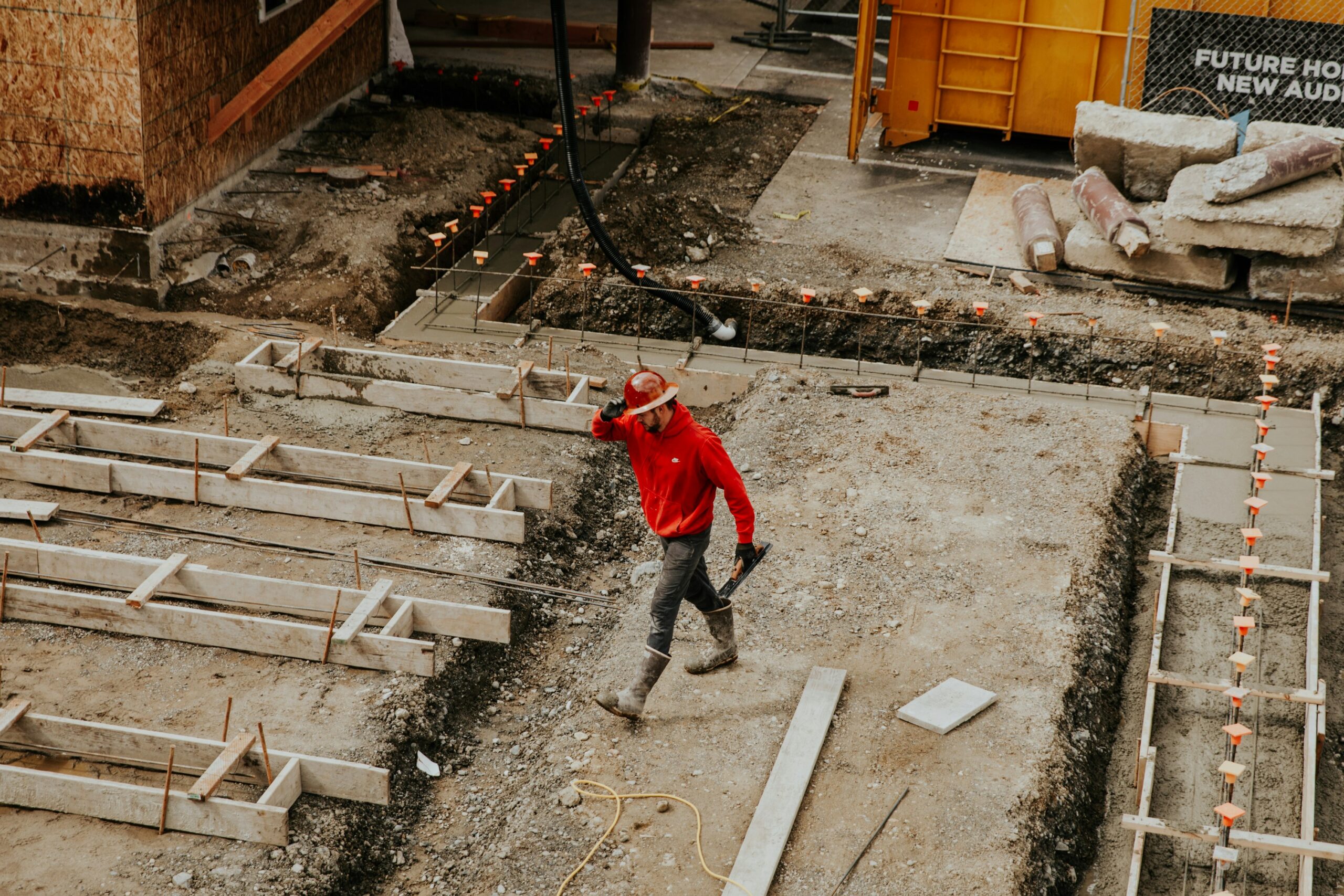
Dirt work underpins nearly every major construction project. Before crews pour concrete, install utilities, or raise structural walls, they must prepare the ground. That preparation often includes excavation, grading, trenching, compaction, drainage planning, and soil movement. Although much of this work happens before the visible structure takes shape, it can strongly influence the quality and durability of the finished project.
Modern construction depends on accurate dirt work because every building, road, and infrastructure project needs a stable base. Contractors must understand soil behavior, site elevations, drainage patterns, and equipment capabilities. Therefore, successful dirt work combines experience, planning, technology, and careful execution.
Understanding the Role of Dirt Work in Construction
Dirt work includes moving and preparing soil before and during construction. Crews may remove material from one area, add fill to another, or reshape the site to meet engineering requirements. These tasks create the elevations needed for buildings, roads, parking areas, and drainage systems.
Because every site differs, contractors cannot use the same approach everywhere. Soil type, moisture content, terrain, and project design all affect how crews perform the work. For example, loose soil may require additional compaction, while rocky ground may need heavier excavation equipment.
As a result, dirt work requires more than simply moving earth. Contractors must understand how the site will perform once construction begins and after the project reaches completion.
Starting With Accurate Site Evaluation
A successful dirt work project begins with a careful site evaluation. Contractors and engineers study existing elevations, property boundaries, soil conditions, and drainage patterns before major excavation begins.
This early information helps teams identify potential challenges. Poor drainage, unstable soil, buried utilities, or unexpected elevation changes can affect the construction schedule and budget. Therefore, identifying these conditions early can reduce costly delays.
Site surveys also help contractors understand exactly how much material they need to remove or add. Accurate measurements support better planning and reduce unnecessary earth movement.
Excavation Creates the Starting Point
Excavation often marks the first major physical change on a construction site. Crews remove soil to create space for foundations, basements, utilities, roads, and other structural elements.
The excavation’s depth and shape must match the project plans. If crews remove too much soil, they may need additional fill. However, if they remove too little, later construction work may not meet the required elevation.
Excavation equipment may include excavators, loaders, bulldozers, and other heavy machines. Each machine performs a different role. Selecting the right equipment improves efficiency and accuracy.
Grading Shapes the Finished Site
After excavation, grading helps create the final surface elevations. Contractors use grading to shape slopes, building pads, road bases, parking areas, and drainage routes.
Proper grading plays a major role in water management. If the site does not slope correctly, rainwater may collect near foundations or other structures. Over time, standing water can contribute to erosion, soil movement, and structural problems.
For this reason, crews carefully follow engineering plans when establishing grades. Modern grading technology can also improve accuracy by helping operators maintain the correct elevation across large areas.
Compaction Builds a Strong Foundation
Soil must often support significant weight after construction ends. Buildings, roads, equipment, and vehicles can place constant pressure on the ground. Therefore, proper compaction is essential.
Compaction reduces air spaces within the soil and creates a denser base. Contractors use rollers, compactors, and other equipment to achieve the required density.
However, soil moisture affects compaction results. Material with too much or too little moisture may not compact properly. Crews may need to add water or allow the soil to dry before continuing.
Testing also plays an important role. Soil density tests can confirm whether the ground meets project requirements before construction moves forward.
Managing Drainage Through Smart Earthwork
Water can create serious problems on construction sites, so drainage planning remains a major part of modern dirt work. Contractors shape the land to direct water away from buildings, roads, and other important areas.
Swales, slopes, retention areas, and drainage channels can help control runoff. Underground drainage systems may also work with surface grading to manage water more effectively.
Good drainage protects both the construction site and the finished project. It can reduce erosion, prevent standing water, and help maintain soil stability.
Therefore, earthwork contractors often coordinate closely with engineers to make sure drainage features match the overall site design.
Using Technology to Improve Dirt Work Accuracy
Technology has changed the way contractors approach excavation and grading. GPS-guided equipment, digital plans, and machine control systems can help operators work more accurately.
These systems let operators see target elevations while working. As a result, they may need fewer manual grade checks. This can save time and reduce rework.
Drones and digital mapping tools can also provide useful information about site progress. Contractors can compare current conditions with project plans and identify areas that need adjustment.
Although experienced operators remain essential, technology can help them work more consistently and precisely.
Controlling Costs Through Efficient Soil Management
Moving dirt costs time, fuel, labor, and equipment hours. So, efficient soil management can significantly affect project costs.
Contractors often try to balance cut-and-fill quantities. This means using excavated soil from one area as fill in another whenever the material meets project requirements. Doing so can reduce the need to haul soil away or purchase additional material.
However, not every soil type works as structural fill. Some material may contain too much organic matter, moisture, or other unsuitable characteristics.
Careful planning helps teams determine what material can remain on site and what must leave. This approach supports both cost control and better scheduling.
Safety During Excavation and Earthmoving
Dirt work involves large equipment, deep excavations, moving vehicles, and changing ground conditions. Therefore, safety planning must remain part of every stage.
Crews need clear communication when heavy machines operate near workers. Equipment operators also need good visibility and established travel routes.
Excavations create additional risks, especially when trenches or deep cuts have unstable walls. Contractors must follow appropriate safety requirements and monitor changing soil conditions.
Weather can also affect safety. Heavy rain may soften the ground or increase erosion risk. As a result, crews must adjust their work when site conditions become unsafe.
Building From the Ground Up
Dirt work may not receive the same attention as finished buildings, bridges, or roads, but it plays a critical role in every successful construction project. Excavation establishes the site’s initial shape, while grading, compaction, and drainage create the conditions needed for long-term performance.
Modern contractors combine skilled operators with advanced equipment and technology to improve accuracy. At the same time, careful soil management helps control costs and reduce unnecessary work.
From excavation to elevation, quality dirt work creates the foundation for everything that follows. When contractors prepare the ground correctly, they give the rest of the project a stronger start and support safer, more durable construction.