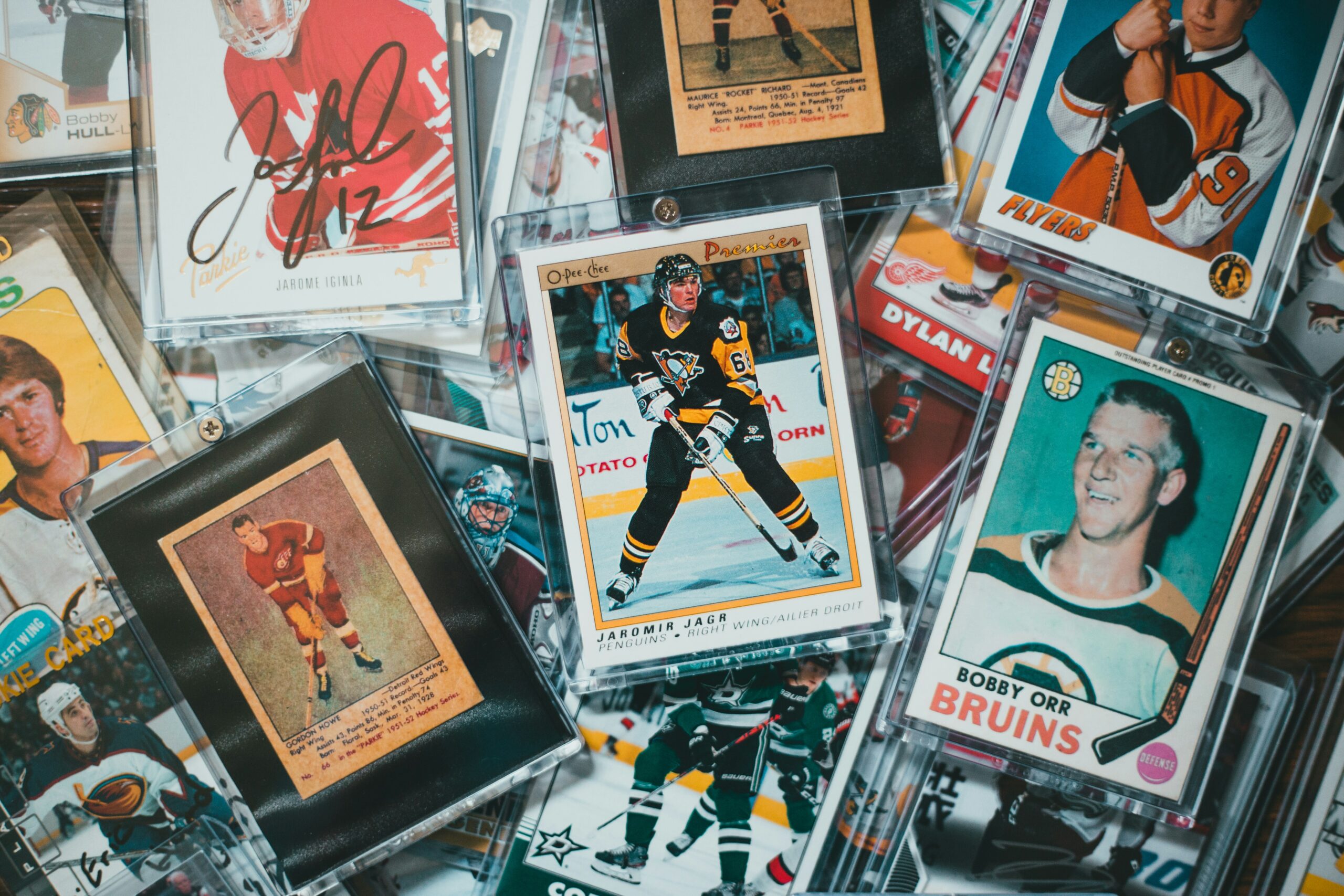
Sports card collecting has grown from a simple fan activity into a modern investment opportunity that attracts collectors, investors, and sports enthusiasts around the world. For many years, people collected cards because they enjoyed following athletes, remembering important games, and sharing the hobby with friends. However, the growing interest in rare cards and market analysis has transformed the hobby into a field where knowledge and strategy can create financial opportunities.
Today, sports card collecting combines passion with investment potential. Collectors do not only search for cards that represent their favorite players. Instead, they also examine rarity, condition, demand, and long-term value. Because of this change, sports cards now compete with other collectible markets by offering both emotional satisfaction and financial possibilities.
Furthermore, technology has expanded access to the hobby. Online marketplaces, digital pricing tools, and collector communities allow people to study market trends and discover valuable opportunities. As a result, sports card collecting continues to attract new participants who want to understand how collectibles can become meaningful assets.
The Evolution of Sports Cards From Hobby to Investment
Sports cards originally gained popularity because they created a direct connection between fans and athletes. Children collected cards of their favorite players, traded with friends, and enjoyed learning about sports history. At that time, most collectors focused on personal enjoyment rather than financial value.
Over time, collectors began recognizing that certain cards carried greater importance. Older cards featuring legendary athletes became valuable because they preserved moments from previous generations of sports. Additionally, limited releases and special editions created new demand among collectors who wanted unique pieces.
The transition from hobby to investment happened gradually. As more people studied the sports card market, they discovered that some cards increased in value because of scarcity, athlete success, and collector demand. Therefore, sports cards became more than simple memorabilia. They became assets that required research and careful decision-making.
Understanding the Sports Card Collecting Market
The sports card collecting market operates through supply, demand, reputation, and historical significance. Similar to other collectible markets, prices change based on how many people want a card and how easily they can find it. When demand increases for a rare card, its value often rises.
However, the market does not depend only on rarity. A card may have a limited supply but still receive little attention if collectors do not recognize its importance. Therefore, successful collectors study multiple factors before investing in a card.
Moreover, market knowledge helps collectors identify opportunities. Experienced collectors follow sales history, auction results, player achievements, and industry discussions. By doing so, they gain a better understanding of which cards may maintain strong demand over time.
Key Factors That Influence Sports Card Value
Several important factors determine the value of collectible sports cards. The athlete featured on the card often has the strongest influence because popularity and career achievements affect collector interest. Cards connected to legendary players usually attract consistent attention because fans recognize their historical importance.
Card condition also plays a major role in determining value. Collectors carefully examine centering, corners, edges, and surface quality before purchasing valuable cards. A well-preserved card often attracts more buyers because it provides confidence about quality and authenticity.
Additionally, rarity influences market appeal. Limited print runs, special editions, autographed cards, and memorabilia cards often receive strong interest because they offer unique features. However, rarity alone does not guarantee success. Collectors must also consider athlete popularity and overall market demand.
The Importance of Rare and Valuable Sports Cards
Rare sports cards attract collectors because they represent limited opportunities to own important pieces of sports history. When only a small number of cards exist, collectors often compete to acquire them. This competition can increase market value and create long-term interest.
Vintage cards remain popular because they connect collectors with earlier eras of sports. These cards often feature legendary athletes whose careers shaped the history of their games. Since many older cards have disappeared or suffered damage, high-quality examples become increasingly desirable.
Modern rare cards also influence the market. Manufacturers create special releases with unique designs, signatures, and limited quantities. These cards appeal to collectors who want modern pieces that may become historically significant in the future.
How Market Trends Shape Sports Card Investments
Market trends play an important role in sports card collecting. Changes in athlete popularity, sports events, media attention, and collector behavior can influence demand. Therefore, investors need to understand current trends while also considering long-term potential.
For example, a young athlete may attract significant attention because of early success. However, collectors must evaluate whether that popularity will continue throughout the athlete’s career. Strong investments usually come from careful research rather than short-term excitement.
Additionally, broader cultural trends affect the sports card market. Increased interest in sports entertainment, online communities, and alternative investments has helped more people discover collectible sports cards. Because of this growth, the market continues to evolve and attract new collectors.
The Role of Technology in Sports Card Investing
Technology has completely changed how collectors interact with the sports card market. In the past, collectors depended on local stores, printed guides, and personal networks. Today, digital platforms provide immediate access to prices, sales records, and global marketplaces.
Online marketplaces allow collectors to compare values and find rare cards from different locations. Furthermore, digital databases help investors track changes and understand historical performance. These tools make it easier for beginners to learn and for experienced collectors to improve their strategies.
Social media has also expanded the collecting community. Collectors share discoveries, discuss trends, and exchange knowledge through online platforms. As a result, sports card collecting has become a more connected and transparent hobby.